As a dedicated provider of Drilling Tools Sub, I understand the importance of ensuring these tools operate at their best. Drilling Tools Sub are crucial components in the drilling industry, and when they encounter problems, it can significantly impact the efficiency and safety of drilling operations. In this blog, I'll share some practical tips on how to troubleshoot common issues with Drilling Tools Sub.
Understanding the Basics of Drilling Tools Sub
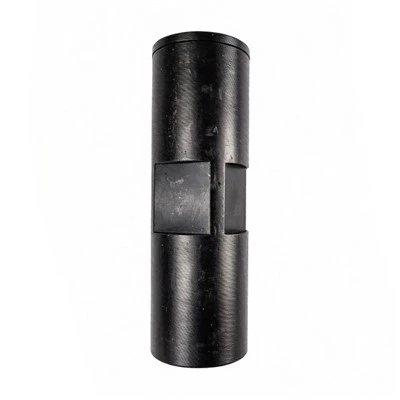
Before diving into troubleshooting, it's essential to have a clear understanding of what Drilling Tools Sub are and their functions. Drilling Tools Sub are transitional components used to connect different parts of the drilling string, such as drill pipes, drill collars, and other drilling accessories. They come in various types, including Drill Rod Adapter, Swivel Sub, Drill String Transition Adapter, and Straight Od Sub. Each type has its unique design and purpose, and understanding these differences is key to effective troubleshooting.
Common Problems and Troubleshooting Steps
1. Connection Issues
One of the most common problems with Drilling Tools Sub is connection issues. Loose or improper connections can lead to leaks, vibrations, and even component failure. To troubleshoot connection problems, follow these steps:
- Visual Inspection: Start by visually inspecting the connections. Look for signs of damage, such as cracks, wear, or corrosion. Check the threads for any debris or damage that could prevent a proper fit.
- Tightening: If the connection appears loose, use the appropriate tools to tighten it. Make sure to follow the manufacturer's recommended torque specifications to avoid over - tightening, which can also cause problems.
- Thread Repair: If the threads are damaged, consider using a thread repair kit. These kits can help restore the threads to their proper condition and ensure a secure connection.
2. Leakage
Leakage is another significant issue that can occur with Drilling Tools Sub. Leaks can result in a loss of drilling fluid, reduced performance, and potential safety hazards. Here's how to troubleshoot leakage problems:
- Identify the Source: Look for signs of fluid leakage, such as wet spots or puddles around the connections. Once you've identified the source of the leak, determine whether it's coming from a seal, a connection, or another component.
- Seal Inspection and Replacement: If the leak is coming from a seal, inspect the seal for damage or wear. Replace the seal if necessary, using a high - quality replacement part that is compatible with your Drilling Tools Sub.
- Connection Check: If the leak is at a connection, follow the steps outlined in the connection issues section to ensure a proper and tight connection.
3. Excessive Vibration
Excessive vibration can cause accelerated wear and tear on Drilling Tools Sub and other drilling components. It can also lead to inaccurate drilling results. To troubleshoot vibration problems:
- Inspect the Drilling String: Check the entire drilling string for any misalignments or damage. Make sure all components are properly connected and balanced.
- Tool Balance: Check the balance of the Drilling Tools Sub itself. An unbalanced tool can cause vibrations. Use a balancing machine or other appropriate equipment to ensure the tool is properly balanced.
- Drilling Parameters: Review the drilling parameters, such as rotational speed and weight on bit. Incorrect parameters can cause excessive vibration. Adjust the parameters as needed to reduce vibration.
4. Wear and Tear
Over time, Drilling Tools Sub will experience wear and tear due to the harsh drilling environment. This can lead to reduced performance and potential failure. To address wear and tear issues:
- Regular Inspection: Implement a regular inspection schedule to check for signs of wear, such as thinning walls, worn - out threads, or damaged surfaces.
- Replacement of Wear Parts: If any parts of the Drilling Tools Sub are worn beyond acceptable limits, replace them promptly. This can help prevent further damage and ensure the continued operation of the tool.
- Proper Maintenance: Follow the manufacturer's recommended maintenance procedures, including cleaning, lubrication, and storage. Proper maintenance can extend the lifespan of the Drilling Tools Sub and reduce the likelihood of wear - related problems.
Advanced Troubleshooting Techniques
1. Non - Destructive Testing
In some cases, visual inspection may not be sufficient to detect internal damage or defects in Drilling Tools Sub. Non - destructive testing (NDT) techniques, such as ultrasonic testing or magnetic particle inspection, can be used to detect hidden flaws. These techniques can help identify potential problems before they lead to component failure.
2. Failure Analysis
If a Drilling Tools Sub fails despite your best efforts at troubleshooting and maintenance, it's important to conduct a failure analysis. This involves examining the failed component to determine the root cause of the failure. The information gathered from the failure analysis can be used to prevent similar failures in the future.
Preventive Measures
Preventing problems with Drilling Tools Sub is always better than troubleshooting them. Here are some preventive measures you can take:

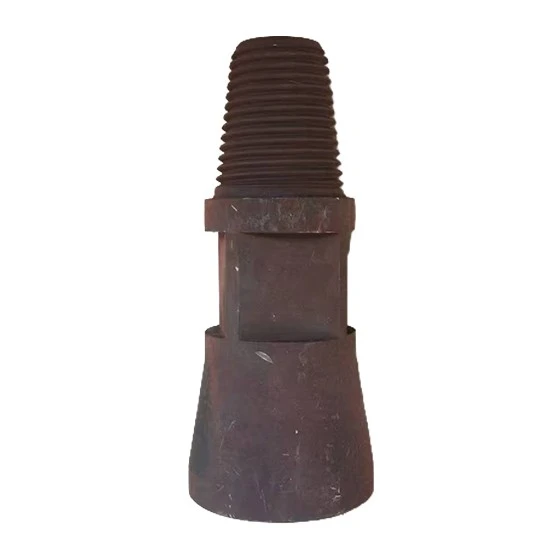
- Quality Components: Always use high - quality Drilling Tools Sub and replacement parts. Inferior components are more likely to experience problems and may not last as long.
- Proper Installation: Ensure that all Drilling Tools Sub are installed correctly. Follow the manufacturer's installation instructions carefully to avoid issues such as improper connections or misalignments.
- Training: Provide proper training to the personnel who handle and operate the Drilling Tools Sub. Well - trained operators are more likely to detect and prevent problems early.
Conclusion
Troubleshooting problems with Drilling Tools Sub requires a combination of knowledge, experience, and the right tools. By understanding the common problems, following the troubleshooting steps outlined in this blog, and implementing preventive measures, you can ensure the reliable operation of your Drilling Tools Sub and minimize downtime.
If you're facing issues with your Drilling Tools Sub or are in the market for high - quality drilling tools, I encourage you to reach out for a discussion. Our team of experts is ready to assist you with your procurement needs and provide you with the best solutions for your drilling operations.
References:
- Industry standards for drilling tool components
- Manufacturer's manuals for Drilling Tools Sub