Hey there! As an air leg drill supplier, I often get asked about the noise level of air leg drills during operation. It's a crucial topic, especially for those working in environments where noise can be a real concern. So, let's dive right in and explore what the noise level of an air leg drill is all about.
Understanding Air Leg Drills
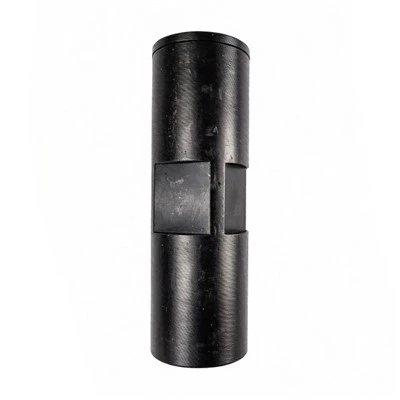
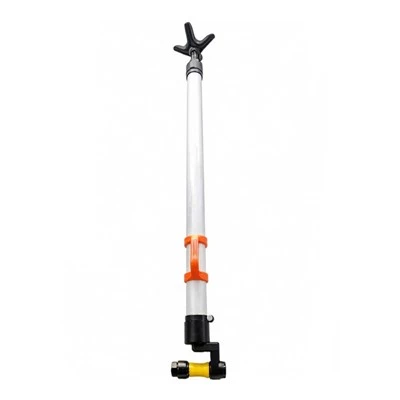
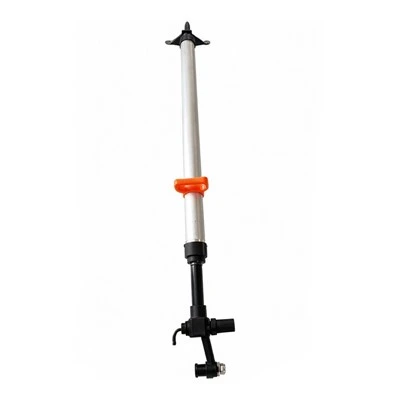
First off, let's quickly go over what an Air Leg Drill is. These bad boys are widely used in mining, construction, and other industries where drilling into hard surfaces like rock is required. They're powered by compressed air, which gives them the strength and durability to handle tough jobs. The air leg part provides support and allows for easy adjustment of the drilling angle, making it a versatile tool on the worksite.
The Noise Factor
Now, onto the noise. Air leg drills can be pretty noisy when they're in action. The noise comes from a few different sources. The compressed air rapidly entering and exiting the drill's mechanism creates a significant amount of noise. When the drill bit hits the hard surface, like rock, it generates vibrations and impacts that also contribute to the overall noise level.
On average, an air leg drill can produce noise levels ranging from 90 to 110 decibels (dB) during operation. To put that into perspective, a normal conversation is around 60 dB. At 85 dB, continuous exposure can start to cause hearing damage over time. So, the noise from an air leg drill is definitely something to take seriously.
Why Does the Noise Level Matter?
There are a couple of reasons why understanding the noise level of an air leg drill is so important.
Health Risks
As I mentioned earlier, prolonged exposure to high noise levels can lead to hearing loss. Workers in the mining and construction industries are at a higher risk because they're often around these drills for long periods. It's not just about losing your hearing; it can also cause other health problems like stress, fatigue, and even high blood pressure.
Workplace Regulations
There are strict regulations in place regarding noise levels in the workplace. Employers are required to take steps to protect their workers from excessive noise. This might include providing ear protection, implementing noise control measures, or limiting the time workers spend around noisy equipment. If your air leg drill doesn't meet the regulatory noise level requirements, it could lead to fines and legal issues.
Factors Affecting Noise Level
The noise level of an air leg drill isn't set in stone. There are a few factors that can affect how loud it gets.
Drill Model
Different models of air leg drills have different noise levels. Some manufacturers have designed their drills to be quieter, using advanced technology and better insulation. When you're in the market for an air leg drill, it's worth looking into the noise ratings of different models. You might be able to find one that's a bit more gentle on your ears.
Operating Conditions
The way the drill is used can also impact the noise level. For example, if the drill bit is dull, it will have to work harder to penetrate the surface, which can increase the noise. The type of surface you're drilling into matters too. Drilling into harder rock will generally create more noise than softer materials.
Maintenance
A well-maintained drill is likely to be quieter than one that's been neglected. Regularly lubricating the moving parts, checking for loose components, and replacing worn-out parts can all help reduce the noise level.
Reducing the Noise
If you're worried about the noise level of your air leg drill, there are a few things you can do to bring it down.
Use Noise Reduction Equipment
There are various types of noise reduction equipment available. Earplugs and earmuffs are the most common and affordable options. They can significantly reduce the amount of noise that reaches your ears. Some workplaces also use noise barriers or enclosures to keep the noise contained.
Upgrade Your Drill
If your current drill is extremely noisy, it might be time to consider upgrading to a quieter model. Look for ones that are specifically designed for low noise operation. There are some great Extension Air Leg Support for Rock Drill options out there that can also help reduce noise by providing better stability and reducing vibrations.
Proper Maintenance
As I said before, keeping your drill in good condition is key. Make sure to follow the manufacturer's maintenance schedule. This includes cleaning the drill regularly, lubricating the parts, and replacing any worn-out components. A well-maintained drill will not only be quieter but will also last longer and perform better.
Our Air Leg Drills
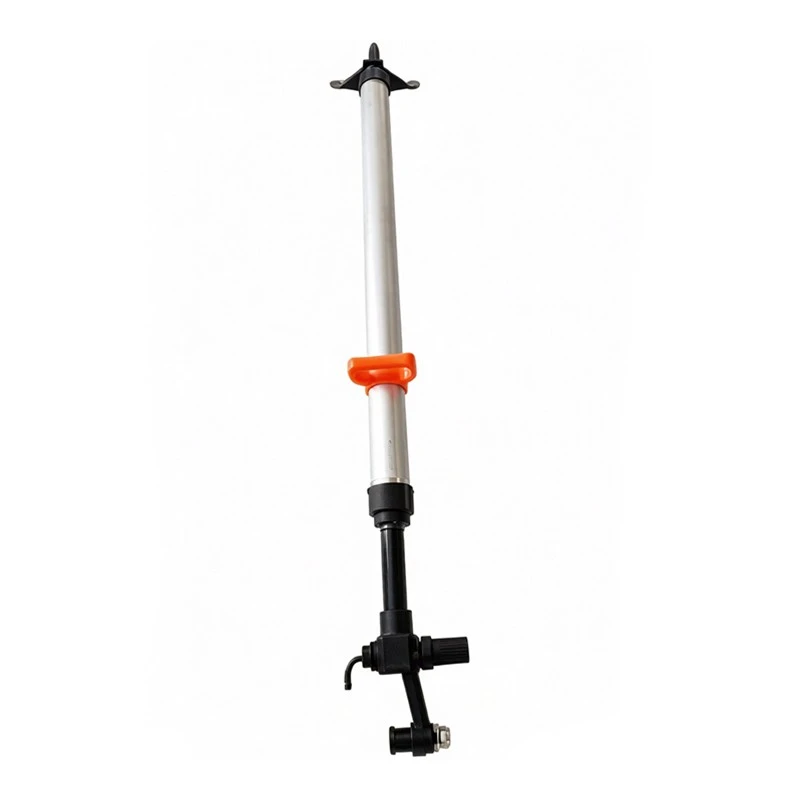
At our company, we understand the importance of noise reduction. That's why we offer a range of air leg drills that are designed with noise in mind. Our drills are engineered to operate at lower noise levels without sacrificing performance. We also provide Extension Air Leg and Leg Attachment Rock Drills that are built to reduce vibrations and noise. And our Support Air Leg for Rock Drill options offer excellent stability, which can further contribute to a quieter drilling experience.
Contact Us for Your Air Leg Drill Needs
If you're in the market for an air leg drill and want to learn more about our products, don't hesitate to get in touch. We're here to answer any questions you might have and help you find the perfect drill for your needs. Whether you're a small construction company or a large mining operation, we've got the right air leg drill for you.

References
- Occupational Safety and Health Administration (OSHA) - Noise Regulations in the Workplace
- Manufacturer's Manuals for Air Leg Drills
This blog gives you a good idea of what the noise level of an air leg drill is during operation. Remember, it's important to take steps to protect yourself and your workers from the harmful effects of noise. And if you're looking for a reliable air leg drill, we're just a message away.