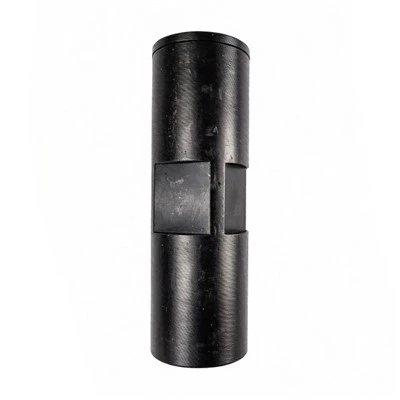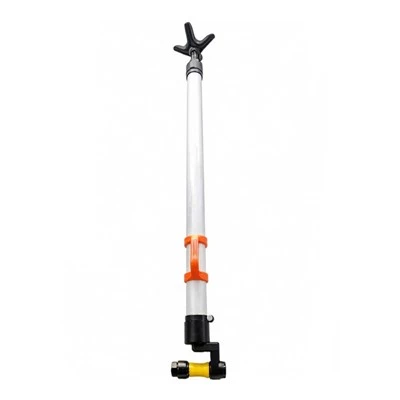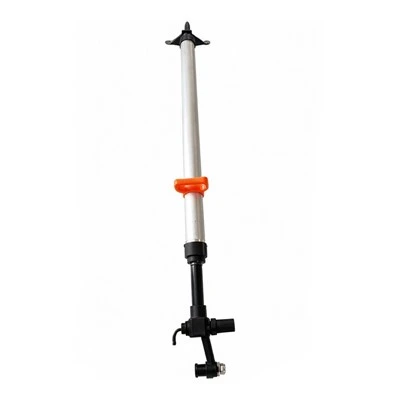
Understanding the air consumption rate of an Air Leg Drill is crucial for both operators and suppliers in the mining and construction industries. As an Air Leg Drill supplier, I've witnessed firsthand the impact of this metric on operational efficiency, cost - effectiveness, and overall performance. In this blog, we'll delve into what air consumption rate is, why it matters, and how it relates to our products.
What is the Air Consumption Rate?
The air consumption rate of an Air Leg Drill refers to the volume of compressed air the drill uses per unit of time, typically measured in cubic feet per minute (CFM) or cubic meters per hour (m³/h). It's a fundamental characteristic of any pneumatic tool, including Air Leg Drills. This rate is determined by the design of the drill, the size of its internal components, and the intensity of its operation.
For example, a smaller - sized Air Leg Drill used for light - duty tasks may have a relatively low air consumption rate, perhaps around 20 - 30 CFM. On the other hand, a heavy - duty drill designed for large - scale mining operations could consume upwards of 100 CFM or more. The air consumption rate is directly related to the power output of the drill. Generally, the higher the air consumption, the more powerful the drill, and the faster it can penetrate through rock or other hard materials.
Why Does the Air Consumption Rate Matter?
Operational Efficiency
A drill with an appropriate air consumption rate for the task at hand ensures smooth and continuous operation. If the air supply is insufficient to meet the drill's consumption rate, the drill will not perform at its optimal level. It may slow down, stall, or produce inconsistent results. For instance, in a mining operation where time is of the essence, an under - powered air supply can lead to significant delays in drilling holes for blasting.
Cost - Effectiveness
Compressed air is not free. Generating and maintaining a supply of compressed air requires energy, and the cost of this energy can add up quickly. A drill with a high air consumption rate will cost more to operate over time compared to one with a lower rate, assuming all other factors are equal. Therefore, understanding and optimizing the air consumption rate can lead to substantial cost savings in the long run.
Equipment Longevity
Proper air consumption also plays a role in the longevity of the Air Leg Drill. When the drill receives an adequate and consistent supply of compressed air, its internal components experience less wear and tear. In contrast, if the air supply is erratic or insufficient, the drill may have to work harder, leading to increased stress on the parts and a shorter lifespan.
Factors Affecting the Air Consumption Rate
Drill Design
The design of the Air Leg Drill is a major factor in determining its air consumption rate. Drills with more advanced and efficient designs often use less air to achieve the same level of performance. For example, drills that incorporate innovative valve systems or piston designs can optimize the use of compressed air, reducing the overall consumption rate.
Drill Size
As mentioned earlier, larger drills generally have higher air consumption rates. This is because they are designed to handle more demanding tasks and require more power to operate. The size of the drill's motor, piston, and other internal components all contribute to the overall air consumption.
Operating Pressure
The pressure at which the compressed air is supplied to the drill also affects the air consumption rate. Higher operating pressures can increase the power output of the drill but may also lead to higher air consumption. It's important to find the right balance between pressure and consumption to achieve optimal performance.
Our Product Range and Air Consumption
At our company, we offer a wide range of Air Leg Drills, each with its own unique air consumption rate to suit different applications. Our Air Leg Drill models are designed with efficiency in mind, ensuring that they provide maximum power with minimal air consumption.
For light - duty applications, we recommend our smaller - sized drills, which have relatively low air consumption rates. These drills are perfect for tasks such as small - scale construction projects or maintenance work. On the other hand, our heavy - duty drills are designed for large - scale mining and tunneling operations. While they have higher air consumption rates, they also offer superior performance and durability.
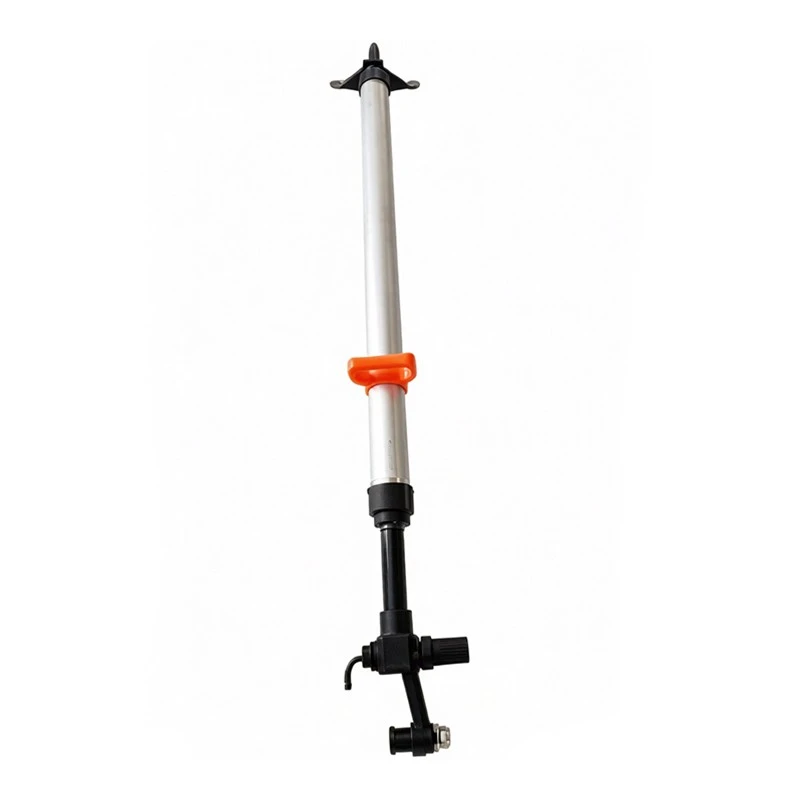

In addition to our standard Air Leg Drills, we also provide accessories such as Extension Air Leg Support for Rock Drill, Support Air Leg for Rock Drill, Leg Attachment Rock Drills, and Extension Air Leg. These accessories can enhance the functionality of the drills and may also have an impact on the overall air consumption rate.
Measuring and Optimizing Air Consumption
To measure the air consumption rate of an Air Leg Drill, specialized equipment such as an air flow meter can be used. This device is installed in the air supply line to the drill and provides real - time data on the volume of air being consumed.
Once the air consumption rate is measured, steps can be taken to optimize it. This may include adjusting the operating pressure of the compressed air supply, ensuring that the drill is properly maintained, and using the appropriate drill for the task at hand. By optimizing the air consumption rate, operators can improve the efficiency of their operations and reduce costs.
Conclusion
The air consumption rate of an Air Leg Drill is a critical factor that affects its performance, cost - effectiveness, and longevity. As a supplier, we are committed to providing our customers with high - quality drills that offer optimal air consumption rates. Whether you're a small - scale construction company or a large - scale mining operation, we have the right Air Leg Drill for your needs.
If you're interested in learning more about our products or have any questions about air consumption rates, we encourage you to contact us. Our team of experts is ready to assist you in finding the perfect drill for your application and can provide valuable advice on how to optimize its performance. Let's work together to improve your drilling operations and achieve greater efficiency and cost savings.
References
- "Pneumatic Tools Handbook", Industrial Press Inc.
- "Mining Equipment and Technology", Elsevier
- Technical specifications of Air Leg Drills from leading manufacturers.