Hey there! As a supplier of transition joints, I often get asked about the color coding of these crucial components. In this blog, I'll break down everything you need to know about color coding for transition joints, if it exists, and why it might matter in your operations.
What Are Transition Joints?
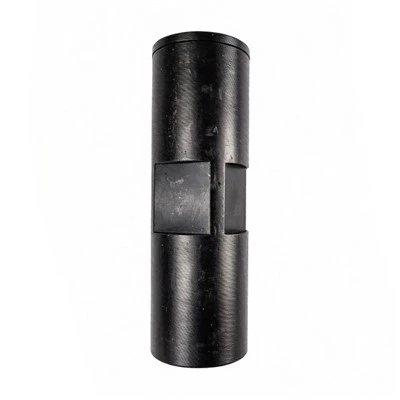
Before we dive into color coding, let's quickly cover what transition joints are. Transition joints are used to connect different parts of a drilling or industrial system. They come in various types, such as Drill Stem Sub, Straight Od Sub, Drill Rod Adapter, Reduced Section Sub, and Drill String Transition Adapter. Each type serves a specific purpose, whether it's to change the diameter of a drill string, adapt to different thread types, or provide a smooth transition between different components.
Does Color Coding Exist for Transition Joints?
The short answer is, it depends. In some industries and applications, there is indeed a color - coding system for transition joints. However, there isn't a universal standard that applies across the board.
Industry - Specific Color Coding
In the oil and gas industry, for example, color coding can be used to quickly identify the type of connection or the material of the transition joint. A red - colored joint might indicate a high - strength alloy, while a green one could be for a standard - duty application. This helps workers on the rig to quickly select the right joint for the job, reducing the risk of using the wrong component.
In the mining industry, color coding might be based on the size or the intended use of the transition joint. A blue joint could be for a large - diameter drill string, while a yellow one might be for a smaller, more specialized application.
Manufacturer - Specific Color Coding
Some manufacturers also have their own color - coding systems. This can be a way for them to differentiate their products or to provide additional information to their customers. For instance, a manufacturer might use a unique color to indicate a new or improved version of a transition joint.
Benefits of Color Coding
Color coding transition joints offers several benefits:
Quick Identification
As mentioned earlier, color coding allows workers to quickly identify the type, size, or material of a transition joint. This is especially important in high - pressure and time - sensitive environments, such as oil rigs or mining sites. Instead of having to read labels or check specifications, a simple glance at the color can tell them what they need to know.
Reduced Error
By making it easier to identify the right joint, color coding helps reduce the risk of using the wrong component. Using an incorrect transition joint can lead to equipment failure, downtime, and even safety hazards. Color coding acts as a visual cue to prevent these mistakes.
Improved Inventory Management
Color coding can also be useful for inventory management. It's easier to keep track of different types of transition joints in a warehouse when they are color - coded. This can save time when restocking or when looking for a specific joint.
Challenges with Color Coding
While color coding has its benefits, there are also some challenges:


Lack of Standardization
As I mentioned earlier, there isn't a universal standard for color coding transition joints. This can lead to confusion, especially when different manufacturers or industries use different color schemes. Workers might need to learn multiple color - coding systems, which can be time - consuming and error - prone.
Fading and Damage
Over time, the color on a transition joint can fade or get damaged. This can make it difficult to accurately identify the joint based on its color. In harsh environments, such as offshore oil rigs or mines, the color might be affected by exposure to chemicals, abrasion, or extreme weather conditions.
How We Handle Color Coding as a Supplier
As a transition joint supplier, we understand the importance of color coding. We offer color - coded joints based on industry standards and customer requirements. If a customer has a specific color - coding system in mind, we can work with them to ensure that our products meet their needs.
We also take steps to ensure that the color coding on our joints is durable. We use high - quality paints and coatings that are resistant to fading, abrasion, and chemical damage. This helps to ensure that the color coding remains visible and accurate throughout the life of the joint.
Conclusion
In conclusion, color coding of transition joints can be a useful tool in many industries. It offers benefits such as quick identification, reduced error, and improved inventory management. However, the lack of standardization and the potential for fading and damage are challenges that need to be addressed.
If you're in the market for transition joints and are interested in color - coded options, don't hesitate to reach out. We're here to help you find the right joints for your specific needs. Whether you need a Drill Stem Sub, a Straight Od Sub, or any other type of transition joint, we've got you covered. Contact us to start a conversation about your requirements and let's work together to find the best solutions for your operations.
References
- Oil and Gas Industry Standards Handbook
- Mining Equipment and Safety Guidelines
- Manufacturer's Product Catalogs