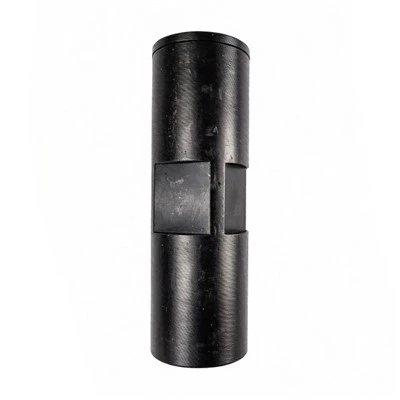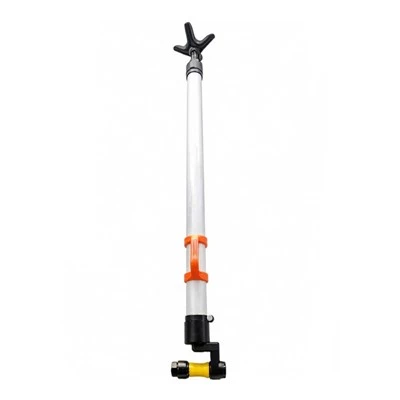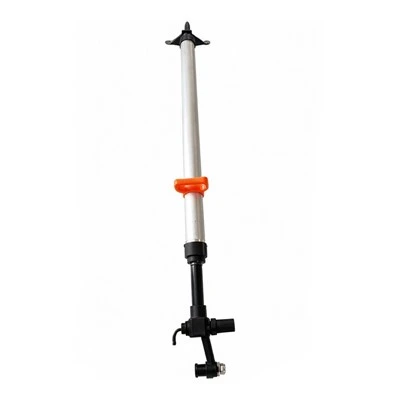
Hey there, folks! As an air leg supplier, I know how important it is to store your air legs correctly. An air leg is a crucial part of many rock - drilling operations, and proper storage can significantly extend its lifespan and keep it performing at its best. So, let's dive right in and talk about how you can store an air leg the right way.
Why Correct Storage Matters
First off, let's understand why correct storage is such a big deal. Air legs are exposed to tough working conditions. They deal with dust, moisture, and high - pressure air during operation. If you don't store them properly, these elements can cause corrosion, wear and tear, and even damage the internal components. This not only reduces the efficiency of the air leg but can also lead to costly repairs or replacements.
Pre - storage Preparation
Before you store your air leg, there are a few steps you should take.
Cleaning
The very first thing you need to do is clean the air leg thoroughly. Use a soft brush and a mild cleaning solution to remove any dirt, dust, or debris from the surface. Pay special attention to the parts that come into direct contact with the rock, like the drill bit attachment area. Make sure to clean all the nooks and crannies, as dirt can accumulate in these places and cause problems over time.
Inspection
Once it's clean, give the air leg a good inspection. Check for any signs of damage, such as cracks, dents, or loose parts. Look at the hoses and connections to make sure they're in good condition. If you find any issues, it's best to get them fixed before storing the air leg. This way, you can prevent further damage and ensure that the air leg is ready to go when you need it again.
Lubrication
Lubrication is key to keeping your air leg in top shape. Apply a high - quality lubricant to all the moving parts. This helps reduce friction, prevents rust, and ensures smooth operation. Make sure to follow the manufacturer's recommendations for the type and amount of lubricant to use.
Choosing the Right Storage Location
Now that your air leg is clean, inspected, and lubricated, it's time to find the right place to store it.
Dry Environment
Moisture is one of the biggest enemies of air legs. It can cause rust and corrosion, which can damage the metal parts. So, you want to store your air leg in a dry place. Avoid areas that are prone to flooding or high humidity, like basements or near water sources.
Temperature - Controlled Space
Extreme temperatures can also have a negative impact on your air leg. High temperatures can cause the lubricant to break down, while low temperatures can make the rubber parts brittle. Try to find a storage space where the temperature is relatively stable, ideally between 50°F and 80°F (10°C and 27°C).

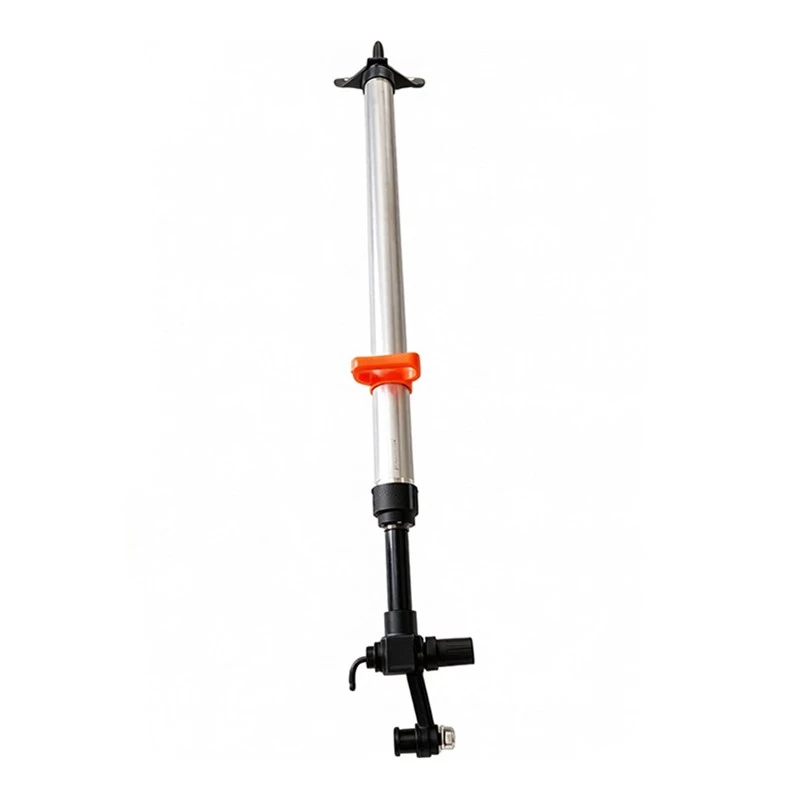
Protection from Physical Damage
Your air leg should be stored in an area where it's protected from physical damage. Keep it away from heavy machinery, tools, or other objects that could potentially fall on it or cause a collision. You might want to consider using a storage rack or a dedicated cabinet to keep the air leg safe.
Storage Methods
There are a few different ways you can store your air leg, depending on your available space and the number of air legs you have.
Vertical Storage
If space is limited, vertical storage can be a good option. You can use a wall - mounted rack or a vertical stand to hold the air leg upright. This not only saves space but also helps prevent any oil or lubricant from pooling in one area. Just make sure the air leg is securely fastened to prevent it from tipping over.
Horizontal Storage
For larger air legs or if you have more space, horizontal storage might be a better choice. You can place the air leg on a flat surface, like a pallet or a workbench. Make sure to support the entire length of the air leg to prevent any bending or warping. You can also use padding or foam to protect the surface of the air leg.
Additional Tips
Here are some additional tips to keep in mind when storing your air leg:
- Disconnect Hoses: Before storing, disconnect all the hoses and store them separately. This helps prevent any kinks or damage to the hoses.
- Cover the Air Leg: Use a protective cover to keep dust and debris off the air leg. You can use a plastic sheet or a custom - made cover.
- Periodic Checks: Even if your air leg is in storage, it's a good idea to check on it periodically. Make sure there are no signs of rust, damage, or any other issues.
Related Products
If you're in the market for air legs or related products, we've got you covered. Check out our Leg Attachment Rock Drills, Extension Air Leg Support for Rock Drill, Support Air Leg for Rock Drill, Air Leg Drill, and Extension Air Leg. These products are designed to meet the highest standards and provide reliable performance.
Conclusion and Call to Action
Storing your air leg correctly is essential for its longevity and performance. By following the steps and tips outlined in this blog, you can ensure that your air leg stays in great condition for years to come. If you have any questions about air leg storage or if you're interested in purchasing air legs or related products, feel free to reach out. We're here to help you make the best decisions for your rock - drilling needs.
References
- Manufacturer's manuals for air legs
- Industry best practices for equipment storage