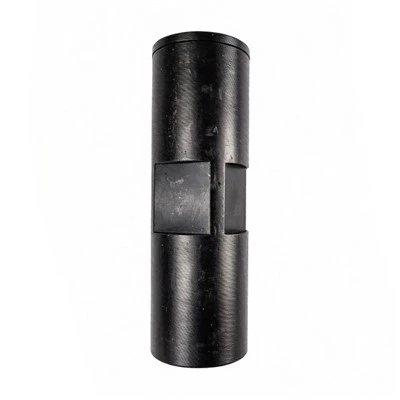
As a supplier of Borewell Drilling Pipe, I often get asked how these pipes connect to each other. It's a crucial part of the borewell drilling process, and understanding it can help you in your projects. So, let's dive right in and explore how borewell drilling pipes are connected.
Threaded Connections
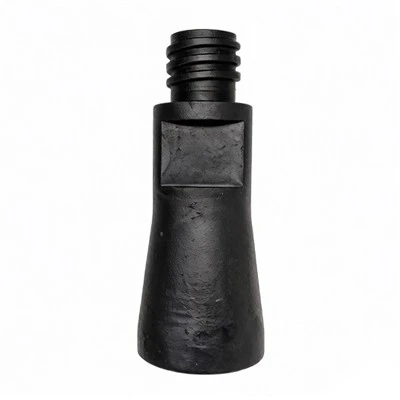
One of the most common ways to connect borewell drilling pipes is through threaded connections. Think of it like screwing two parts together. Each pipe has threads at both ends. One end has external threads (like a bolt), and the other end has internal threads (like a nut). When you're on the drilling site, you line up the pipes so that the external threads of one pipe can be screwed into the internal threads of the next pipe.
This method is popular because it's relatively easy to do. You don't need a lot of fancy equipment. A simple pipe wrench is usually enough to tighten the connection. And once tightened, it creates a strong seal that can withstand the pressure and stress of the drilling process. However, it's important to make sure the threads are properly aligned. If they're not, it can lead to leaks or even pipe breakage during drilling.
Welded Connections
Another option for connecting borewell drilling pipes is through welding. Welding involves melting the edges of the two pipes together so that they form a single, continuous piece. This creates an extremely strong connection that's very durable.
Welded connections are great for situations where you need a high level of strength and integrity. For example, if you're drilling in a very hard or rocky area, a welded connection can better handle the forces exerted on the pipes. But there are some downsides too. Welding requires specialized equipment and skilled welders. It also takes more time compared to threaded connections. And if something goes wrong with the weld, it can be difficult to fix on - site.
Coupler Connections
Coupler connections use a separate piece, called a coupler, to join two pipes together. The coupler is a short piece of pipe with internal threads on both ends. You simply insert the external - threaded ends of two pipes into the coupler and tighten them down.
This method is handy because it allows for quick and easy assembly and disassembly. If you need to replace a damaged pipe or make adjustments to the length of the drill string, you can easily remove and reinstall the pipes using the coupler. However, the coupler adds an extra element to the connection, which means there's one more potential point of failure. You need to ensure that the coupler is properly sized and tightened to prevent leaks.
Considerations for Connection
When deciding which connection method to use, there are several factors to consider. First, the type of soil or rock you'll be drilling through is important. If it's soft soil, a less - strong connection like a threaded or coupler connection might be sufficient. But for hard rock, a welded connection is often a better choice.
The depth of the borewell also matters. Deeper borewells put more stress on the pipes, so you'll need a stronger connection to prevent the pipes from coming apart. And of course, cost is a factor. Threaded and coupler connections are generally cheaper and quicker to install, while welded connections can be more expensive due to the equipment and labor required.
Our Products and Connection Compatibility
As a Borewell Drilling Pipe supplier, we offer a wide range of pipes that are compatible with different connection methods. Our Borewell Drilling Pipe is manufactured to high - quality standards, ensuring that the threads are precise for threaded connections or the material is suitable for welding.
We also have a variety of other related products. For example, if you're involved in oil - related drilling, our Oil Well Casing Pipe is designed to withstand the harsh conditions in oil wells. Our Carbon Steel Casing Pipe is known for its strength and durability, making it a great option for many drilling projects. And for tube well applications, our Tube Well Casing Pipe is a reliable choice. If you're specifically in the oil industry, our Oil Casing Pipe is engineered to meet the strict requirements of oil extraction.
Importance of Proper Connection
Properly connecting borewell drilling pipes is not just about making the pipes stay together. It's also about ensuring the efficiency and safety of the drilling process. A leaky connection can lead to a loss of drilling fluid, which can affect the performance of the drill. It can also cause instability in the borehole, increasing the risk of cave - ins.
In addition, a poorly connected pipe can lead to premature wear and tear on the pipes. The constant stress and vibration during drilling can cause loose connections to become even looser, eventually leading to pipe failure. This not only costs you time and money in terms of repairs and replacements but can also put the entire drilling project at risk.


Connecting with Us
If you're in the market for borewell drilling pipes or have any questions about how they connect, we're here to help. We have a team of experts who can provide you with detailed information about our products and the best connection methods for your specific needs. Whether you're a small - scale driller or a large - scale construction company, we can work with you to ensure that you get the right pipes and connections for your project.
Feel free to reach out to us to discuss your requirements. We're eager to start a conversation and help you find the perfect solution for your borewell drilling needs.
References
- Drilling Engineering Handbook.
- Pipe Manufacturer's Technical Manuals.