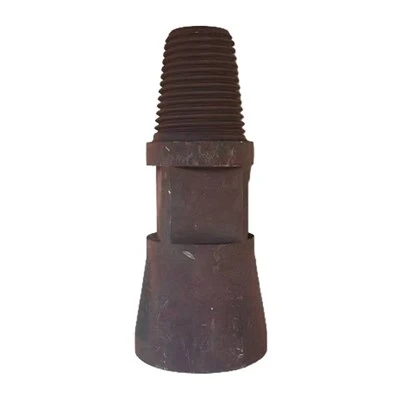
Hey there! I'm a supplier of Drill Rod Adapters, and today I wanna walk you through the production process of these nifty little things. It's a pretty interesting journey from raw materials to the finished product, so let's dive right in.
Step 1: Material Selection
The first step in making a Drill Rod Adapter is picking the right material. We usually go for high - quality alloy steels. These steels are tough, durable, and can withstand the high stress and pressure that drill rod adapters are subjected to during drilling operations. They also have good corrosion resistance, which is super important because the drilling environment can be pretty harsh.
We source our materials from reliable suppliers. We make sure they meet our strict quality standards. You don't wanna cut corners here because the quality of the material directly affects the performance and lifespan of the adapter. Once we get the raw steel, it's time to move on to the next step.
Step 2: Cutting and Shaping
After we've got the right material, we cut it into the appropriate lengths. We use specialized cutting tools like saws and shears for this. The length is determined by the specific requirements of the Drill Rod Adapter we're making.
Once the steel is cut to size, we start shaping it. This is where the magic happens! We use a variety of machining processes, such as turning, milling, and drilling. Turning is used to create the outer shape of the adapter. We put the steel on a lathe, and as it spins, we use cutting tools to remove excess material and give it the desired diameter and smooth finish.
Milling comes in handy when we need to create flat surfaces or grooves on the adapter. For example, we might mill a flat area for a keyway or a groove for an O - ring. Drilling is used to create holes in the adapter. These holes are crucial for connecting the adapter to other drilling components.
Step 3: Heat Treatment
Heat treatment is a crucial step in the production process. It helps to improve the mechanical properties of the Drill Rod Adapter. We heat the shaped adapter to a specific temperature and then cool it down at a controlled rate. This process can harden the steel, making it more resistant to wear and tear.
There are different types of heat treatments we can use. One common method is quenching and tempering. Quenching involves heating the adapter to a high temperature and then rapidly cooling it in a quenching medium, like oil or water. This makes the steel really hard. But it also makes it a bit brittle. So, we follow up with tempering. Tempering involves heating the quenched adapter to a lower temperature and holding it there for a certain period of time. This reduces the brittleness and improves the toughness of the adapter.
Step 4: Threading
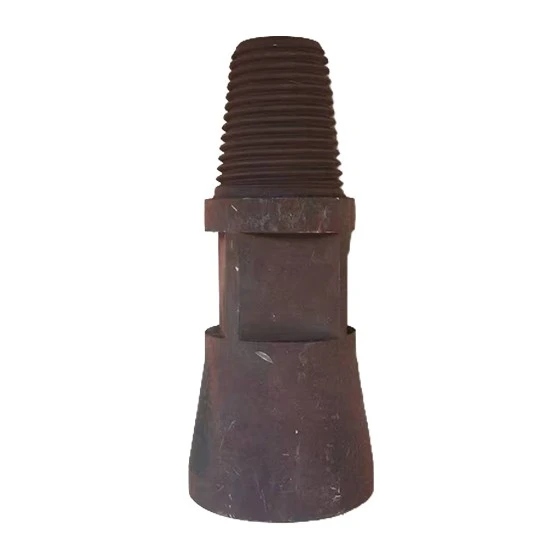
Drill Rod Adapters need to have threads so they can be connected to other drilling components. Threading is a precise process. We use threading machines to cut the threads on the adapter. The threads need to be of the right size, pitch, and shape. We follow industry standards to ensure compatibility with other drilling tools.
There are different types of threads we can use, depending on the application. For example, we might use API (American Petroleum Institute) threads for oil and gas drilling. These threads are designed to provide a tight and secure connection, even under high pressure.
Step 5: Surface Treatment
After the threading is done, we give the Drill Rod Adapter a surface treatment. This helps to protect the adapter from corrosion and wear. One common surface treatment is plating. We can plate the adapter with materials like chrome or nickel. These plating materials form a protective layer on the surface of the adapter, preventing rust and reducing friction.
Another surface treatment option is painting. We can paint the adapter with a special coating that provides additional protection. The paint also makes the adapter look nice and can help with identification.

Step 6: Quality Inspection
Before we send the Drill Rod Adapter out to our customers, we conduct a thorough quality inspection. We check the dimensions of the adapter to make sure they meet the specifications. We use precision measuring tools like calipers and micrometers for this.
We also check the threads for proper fit and finish. We use thread gauges to ensure that the threads are within the acceptable tolerance range. We inspect the surface of the adapter for any defects, such as cracks or scratches. If we find any issues, we either repair the adapter or scrap it.
Step 7: Packaging and Shipping
Once the Drill Rod Adapter passes the quality inspection, we package it up. We use sturdy packaging materials to protect the adapter during shipping. We label the package with all the necessary information, such as the product name, size, and quantity.
Then, we ship the adapter to our customers. We work with reliable shipping partners to ensure that the adapter arrives at its destination in a timely and safe manner.
Related Products
If you're in the drilling business, you might also be interested in some of our other products. We offer Swivel Sub, which allows for rotation during drilling operations. Our Straight Od Sub is great for maintaining a consistent outer diameter. The Reduced Section Sub can be used when you need to reduce the diameter of the drilling string. And our Drilling Tools Sub is a versatile component for various drilling applications.
Let's Connect
If you're looking for high - quality Drill Rod Adapters or any of our other products, don't hesitate to reach out. We're always ready to have a chat about your needs and see how we can help. Whether you're a small - scale drilling contractor or a large - scale oil and gas company, we've got the right solutions for you.
References
- "Machining Handbook", various authors
- "Heat Treatment of Metals", John Doe
- "Threading Standards in Drilling", Industry Publications