Hey there! I'm an Oil Well Casing Pipe supplier. Over the years, I've seen firsthand how the geology of a well site can have a huge impact on oil well casing pipe design. In this blog, I'll break down the key elements and explain why it's so important to get the design right.
Understanding the Basics of Well Site Geology
First off, let's talk about what we mean by well site geology.Basically, it's all about the different types of rock, sediment, and other geological formations that you'll find in and around the well site. These formations can vary a lot from one place to another, and they have a big influence on how the oil well is drilled and how the casing pipes are designed.


There are a few main types of geological formations that we often deal with. For instance, there are sedimentary rocks like sandstone, shale, and limestone. These rocks are usually formed by the deposition of sediment over time, and they can have different properties depending on how they were formed. Then there are igneous rocks, such as granite and basalt, which are formed from cooled magma. And finally, there are metamorphic rocks, like marble and slate, which are formed when other rocks are subjected to high pressure and temperature.
How Geology Affects Casing Pipe Design
Now, let's get into how the geology of the well site affects the design of the oil well casing pipes. There are several factors to consider, and each one plays a crucial role in ensuring the safety and efficiency of the oil well.
Pressure and Stress
One of the most important factors is the pressure and stress that the casing pipes will be subjected to. Different geological formations have different levels of pressure, and this can vary depending on the depth of the well. For example, in some areas, the rock may be very dense and exert a lot of pressure on the casing pipes. In other areas, there may be pockets of high-pressure gas or fluid that can cause additional stress.
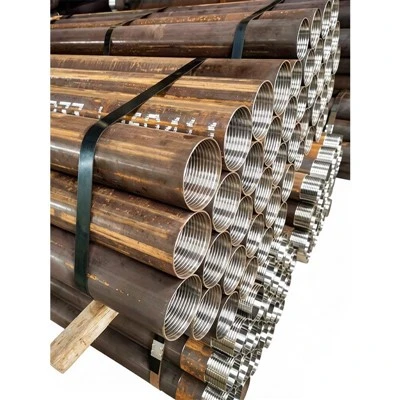
To deal with these pressure and stress issues, the casing pipes need to be designed to be strong and durable. We often use high-strength materials like Carbon Steel Casing Pipe to ensure that the pipes can withstand the pressure without collapsing or leaking. The thickness and diameter of the pipes also need to be carefully chosen based on the expected pressure and stress levels at the well site.
Corrosion
Another big concern is corrosion. Different geological formations can have different levels of acidity, salinity, and other chemical properties that can cause corrosion of the casing pipes. For example, if the groundwater in the area is highly acidic, it can eat away at the metal of the pipes over time.
To prevent corrosion, we use special coatings and materials for the casing pipes. Some pipes are coated with a layer of epoxy or other corrosion-resistant materials to protect them from the elements. We also choose materials that are more resistant to corrosion, such as stainless steel or galvanized steel, depending on the specific conditions at the well site.
Formation Movement
Geological formations are not always stable. They can shift and move over time due to factors like tectonic activity, subsidence, or the extraction of oil and gas. This movement can put stress on the casing pipes and cause them to bend, crack, or even break.
To account for formation movement, the casing pipes need to be designed with some flexibility. We often use jointed pipes or pipes with expansion joints to allow for some movement without causing damage. The design also needs to take into account the potential for differential settlement, where different parts of the well site may sink at different rates.
Hole Size and Stability
The size and stability of the wellbore are also affected by the geology of the well site. Different geological formations can have different drilling characteristics, which can affect the size and shape of the hole. For example, some rocks may be very hard and difficult to drill through, while others may be soft and prone to collapsing.
When designing the casing pipes, we need to consider the size of the wellbore and ensure that the pipes fit properly. The pipes also need to be able to provide support to the wellbore to prevent it from collapsing. In some cases, we may need to use larger-diameter pipes or additional casing strings to ensure the stability of the wellbore.
Our Role as an Oil Well Casing Pipe Supplier
As an Oil Well Casing Pipe supplier, we play a crucial role in ensuring that the casing pipes are designed to meet the specific needs of each well site. We work closely with our customers to understand the geology of the well site and provide them with the best possible casing pipe solutions.
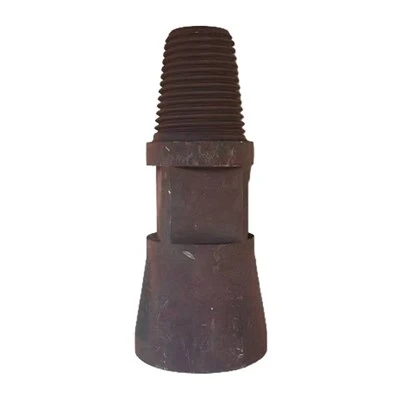
We have a wide range of casing pipes available, including Oil Casing Pipe, Tube Well Casing Pipe, and Borewell Drilling Pipe. Our pipes are made from high-quality materials and are manufactured to strict standards to ensure their strength and reliability.
We also offer custom design services to meet the unique requirements of each well site. Our team of experts can analyze the geological data and recommend the best casing pipe design for the specific conditions. We can also provide installation and maintenance services to ensure that the casing pipes are properly installed and functioning effectively.
Why It's Important to Get the Design Right
Getting the casing pipe design right is crucial for the success of an oil well. A poorly designed casing pipe can lead to a number of problems, including:
- Leakage: If the casing pipes are not properly sealed or if they are damaged, they can leak oil, gas, or other fluids. This can not only cause environmental damage but also result in a loss of valuable resources.
- Collapse: If the casing pipes are not strong enough to withstand the pressure and stress, they can collapse. This can lead to the loss of the well and can be very expensive to repair.
- Corrosion: If the casing pipes are not protected from corrosion, they can deteriorate over time. This can weaken the pipes and increase the risk of leakage and collapse.
- Safety hazards: A faulty casing pipe design can pose a safety hazard to the workers at the well site. For example, if the pipes collapse or leak, it can cause explosions, fires, or other accidents.
Contact Us for Your Casing Pipe Needs
If you're in the market for oil well casing pipes, we'd love to hear from you. We have the expertise and experience to provide you with the best possible casing pipe solutions for your well site. Whether you need standard pipes or custom-designed ones, we can help.
Don't take chances with your well site. Contact us today to discuss your casing pipe requirements and let us help you design the perfect solution for your oil well.
References
- Smith, J. (2020). Geology and Oil Well Design. Petroleum Geology Journal.
- Johnson, R. (2019). Casing Pipe Design for Different Geological Conditions. Oil and Gas Engineering Review.