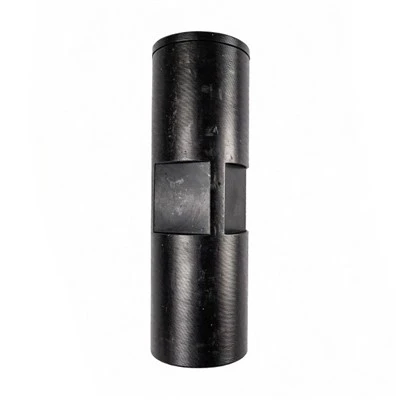
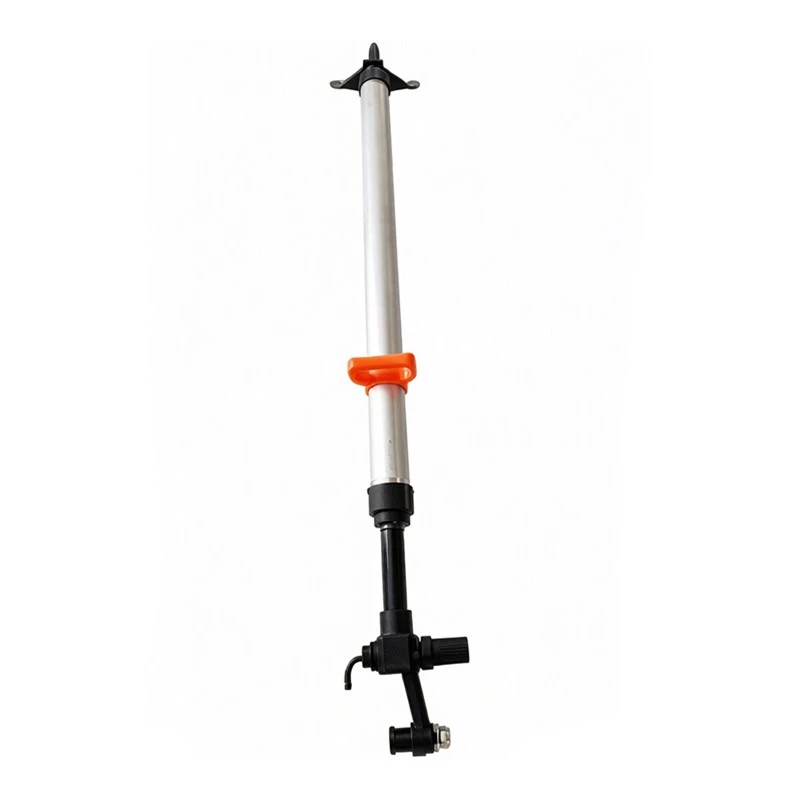
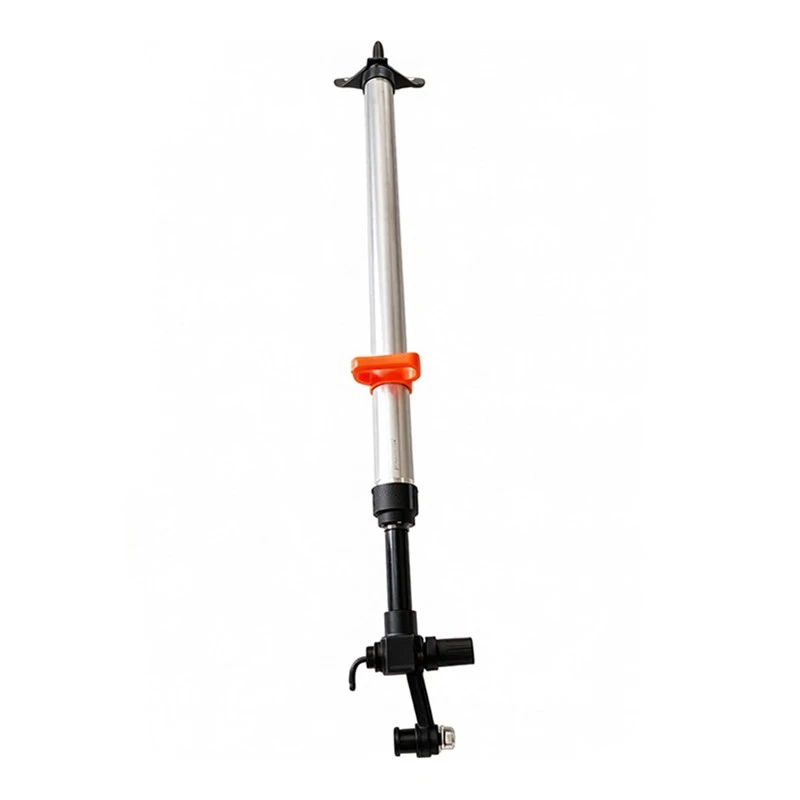
As a prominent supplier of Extension Air Legs, I've witnessed firsthand the pivotal role these components play in various industrial applications, especially in the mining and construction sectors. In this blog, I'll delve into the industry standards for an Extension Air Leg, exploring their importance, design specifications, and quality benchmarks.
Importance of Extension Air Legs
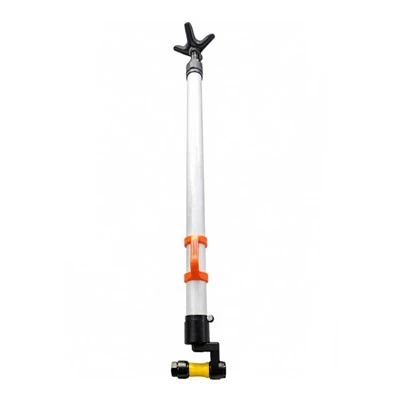
Extension Air Legs are essential tools in rock drilling operations. They provide stable support for the drill, allowing for precise and efficient drilling in diverse conditions. By extending the reach of the drill, they enable operators to access hard-to-reach areas, increasing productivity and safety. Whether it's tunneling, quarrying, or underground mining, Extension Air Legs are indispensable for achieving optimal drilling performance.
Design Specifications
The design of an Extension Air Leg is governed by several key specifications that ensure its functionality and reliability. These specifications are based on industry best practices and safety standards.
Material Selection
The choice of materials is crucial for the durability and performance of an Extension Air Leg. High-strength steel alloys are commonly used for the main body and components, providing excellent resistance to wear, corrosion, and impact. Additionally, lightweight materials may be incorporated to reduce the overall weight of the air leg, making it easier to handle and transport.
Length and Extension Range
The length and extension range of an Extension Air Leg are determined by the specific requirements of the drilling operation. Standard lengths typically range from 1 to 3 meters, with extension capabilities of up to 2 meters. This allows operators to adjust the reach of the drill according to the depth and location of the drilling site.
Diameter and Thickness
The diameter and thickness of the air leg's cylinder and piston are critical factors in determining its strength and stability. Larger diameters and thicker walls provide greater support and resistance to bending and deformation, ensuring reliable performance under high pressure and heavy loads.
Air Pressure and Flow
Extension Air Legs are powered by compressed air, and the air pressure and flow rate must be carefully regulated to ensure optimal operation. Industry standards typically specify an operating pressure range of 0.4 to 0.6 MPa, with a flow rate of 1 to 2 m³/min. This ensures sufficient power for the drill while maintaining safe and efficient operation.
Quality Benchmarks
To ensure the safety and reliability of Extension Air Legs, manufacturers must adhere to strict quality benchmarks and certification requirements. These benchmarks are established by international standards organizations and regulatory bodies, such as the International Organization for Standardization (ISO) and the Occupational Safety and Health Administration (OSHA).
Safety Features
Safety is of utmost importance in the design and manufacture of Extension Air Legs. They must be equipped with a range of safety features, including pressure relief valves, overload protection devices, and anti-recoil mechanisms. These features help prevent accidents and injuries by ensuring that the air leg operates within safe parameters.
Performance Testing
Before being released to the market, Extension Air Legs undergo rigorous performance testing to ensure they meet or exceed industry standards. This testing includes hydraulic tests, pressure tests, and endurance tests, which simulate real-world operating conditions and evaluate the air leg's performance and reliability.
Certification
Certification is an important indicator of a product's quality and compliance with industry standards. Look for Extension Air Legs that are certified by recognized organizations, such as ISO 9001 for quality management systems and CE for compliance with European safety standards. These certifications provide assurance that the product has been manufactured to the highest standards of quality and safety.
Industry Standards and Regulations
The Extension Air Leg industry is subject to a variety of standards and regulations that govern their design, manufacture, and use. These standards and regulations are designed to ensure the safety, reliability, and performance of Extension Air Legs in various applications.
International Standards
International standards, such as ISO 10297 for rock drilling equipment and ISO 4413 for hydraulic systems, provide a common framework for the design and manufacture of Extension Air Legs. These standards specify requirements for materials, dimensions, performance, and safety, ensuring that products are compatible and interchangeable across different manufacturers and regions.
National and Local Regulations
In addition to international standards, Extension Air Legs must also comply with national and local regulations regarding safety, environmental protection, and workplace health and safety. These regulations may vary from country to country and region to region, so it's important to ensure that your Extension Air Legs meet the specific requirements of the jurisdiction in which they will be used.
Choosing the Right Extension Air Leg
When choosing an Extension Air Leg, it's important to consider several factors to ensure that you select the right product for your specific needs.
Application Requirements
The first step in choosing an Extension Air Leg is to determine the specific requirements of your application. Consider factors such as the type of drilling operation, the depth and diameter of the holes, the hardness of the rock, and the working environment. This will help you determine the appropriate length, extension range, and power requirements of the air leg.
Quality and Reliability
As with any industrial equipment, quality and reliability are key considerations when choosing an Extension Air Leg. Look for products that are manufactured by reputable companies with a proven track record of producing high-quality, reliable equipment. Consider the product's warranty, customer support, and after-sales service to ensure that you have access to the assistance you need if any issues arise.
Compatibility
It's important to ensure that the Extension Air Leg you choose is compatible with your existing drilling equipment. Consider the type of drill, the mounting system, and the air supply requirements to ensure that the air leg can be easily integrated into your existing setup.
Cost
Cost is always a factor when making purchasing decisions, but it should not be the only consideration. While it's important to find a product that fits within your budget, it's also important to consider the long-term value and performance of the air leg. Look for products that offer a good balance of quality, reliability, and cost-effectiveness.
Conclusion
Extension Air Legs are essential tools in the mining and construction industries, providing stable support and extended reach for rock drills. By understanding the industry standards for Extension Air Legs, you can make informed decisions when choosing the right product for your specific needs. Whether you're looking for a Support Air Leg for Rock Drill, an Extension Air Leg Support for Rock Drill, an Air Leg Drill, an Extension Air Leg, or Leg Attachment Rock Drills, it's important to choose a product that meets or exceeds industry standards in terms of design, quality, and safety.
If you're interested in learning more about our Extension Air Legs or would like to discuss your specific requirements, please don't hesitate to contact us. We're here to help you find the right solution for your drilling needs.
References
- ISO 10297: Rock drilling equipment - Piston bits and drill rods for percussive drilling in rocks
- ISO 4413: Hydraulic fluid power - General rules and safety requirements for systems and their components
- OSHA Standards for Construction: 29 CFR 1926