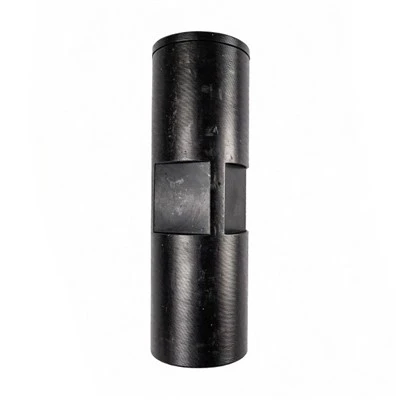
As a reputable casing tube supplier, I understand the critical importance of safety when it comes to handling casing tubes. Casing tubes play a vital role in various industries, including oil and gas, water well drilling, and construction. Ensuring the safety of workers and the integrity of the casing tubes themselves is paramount. In this blog post, I will discuss the essential safety precautions that should be taken when handling casing tubes.
Pre - handling Preparations
Training and Education
Before any casing tube handling operation begins, all personnel involved must receive comprehensive training. This training should cover the proper use of handling equipment such as cranes, forklifts, and slings. Workers should be educated on the weight, dimensions, and potential hazards associated with different types of casing tubes. For example, Oil Casing Pipe used in the oil and gas industry may have unique characteristics due to the high - pressure environment it is designed for.
Inspection of Casing Tubes
Thoroughly inspect the casing tubes before handling. Look for signs of damage such as cracks, dents, or corrosion. Cracks can compromise the structural integrity of the tube, leading to potential failures during installation or use. Dents may affect the fit and alignment of the tubes. Corrosion can weaken the material over time. If any damage is detected, the casing tube should be removed from the handling process and properly disposed of or repaired.
Inspection of Handling Equipment
The equipment used for handling casing tubes must also be inspected. This includes checking the lifting capacity of cranes and forklifts to ensure they can safely handle the weight of the casing tubes. Inspect slings, chains, and hooks for any signs of wear, damage, or deformation. Faulty handling equipment can lead to accidents such as dropped loads or equipment malfunctions.
Handling Operations
Lifting and Moving
When lifting casing tubes, use the appropriate lifting equipment and techniques. For vertical lifting, use slings that are evenly distributed around the tube to prevent tipping or uneven stress. Ensure that the lifting points on the casing tube are properly identified and rated for the lifting capacity. When moving the tubes, drive carefully if using a forklift or other mobile equipment. Avoid sudden stops, starts, or sharp turns, which can cause the tubes to shift or fall.
For example, Borewell Drilling Pipe may be longer and more cumbersome to handle. Special care must be taken when lifting and moving these tubes to prevent bending or damage.

Stacking
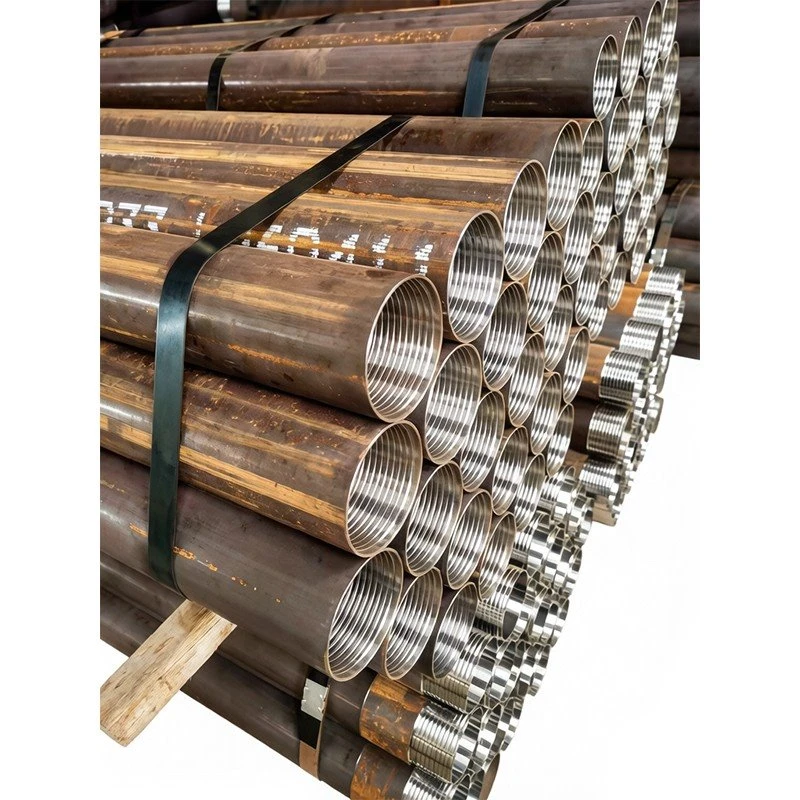
When stacking casing tubes, follow the correct stacking procedures. Stack the tubes in a stable and orderly manner to prevent them from toppling over. Use appropriate spacers between the tubes to ensure even distribution of weight. Do not stack the tubes higher than the recommended height, as this can increase the risk of collapse.
Securing Tubes During Transportation
If the casing tubes need to be transported, they must be properly secured. Use straps, chains, or other securing devices to prevent the tubes from shifting during transit. Ensure that the securing devices are tightened adequately and that they do not cause damage to the tubes.
In - field Safety
Personal Protective Equipment (PPE)
All workers involved in casing tube handling must wear the appropriate PPE. This includes safety helmets to protect against falling objects, safety glasses to prevent eye injuries from debris, and steel - toed boots to protect the feet from heavy objects. Gloves should also be worn to provide a better grip on the tubes and to protect the hands from cuts and abrasions.
Hazard Identification
Identify potential hazards in the handling area. This may include uneven terrain, overhead power lines, or other obstacles. Mark off restricted areas to prevent unauthorized access. For example, if there are overhead power lines near the casing tube handling area, ensure that the lifting equipment does not come into contact with them.
Emergency Preparedness
Have an emergency plan in place in case of accidents. This plan should include procedures for dealing with injuries, fires, and spills. Ensure that first - aid kits are readily available and that workers are trained in basic first - aid procedures. Fire extinguishers should also be located in the handling area, and workers should know how to use them.
Storage Safety
Storage Location
Choose a suitable location for storing casing tubes. The storage area should be flat, dry, and well - drained to prevent rusting and corrosion. Avoid storing the tubes in areas prone to flooding or excessive moisture. If possible, cover the storage area to protect the tubes from the elements.
Corrosion Prevention
Implement measures to prevent corrosion during storage. This may include applying a protective coating to the tubes or using desiccants to reduce humidity in the storage area. Regularly inspect the stored tubes for signs of corrosion and take appropriate action if necessary.
Specific Considerations for Different Types of Casing Tubes
Carbon Steel Casing Pipe
Carbon steel casing pipes are widely used due to their strength and durability. However, they are susceptible to corrosion. When handling carbon steel casing pipes, take extra care to prevent scratches and damage to the protective coating. If the coating is damaged, corrosion can occur more rapidly.
Oil Well Casing Pipe
Oil well casing pipes are designed to withstand high - pressure and corrosive environments. When handling these pipes, ensure that the handling equipment can handle the heavy weight and large diameter. The pipes may also contain residual oil or gas, so proper ventilation and safety procedures should be followed to prevent the risk of explosion or fire.
Tube Well Casing Pipe
Tube well casing pipes are commonly used in water well drilling. These pipes are often thinner and more fragile compared to other types of casing tubes. Extra care should be taken during handling to prevent bending or breaking.
Conclusion
Safety precautions when handling casing tubes are essential to protect the well - being of workers and the quality of the products. By following the guidelines outlined in this blog post, including pre - handling preparations, proper handling operations, in - field safety measures, storage safety, and specific considerations for different types of casing tubes, the risks associated with casing tube handling can be significantly reduced.
If you are in need of high - quality casing tubes and want to discuss your procurement requirements, we are more than happy to assist you. Feel free to reach out to us for further information and to start a productive conversation about meeting your needs.
References
- API Standards for Casing and Tubing, American Petroleum Institute.
- OSHA Regulations on Material Handling and Storage, Occupational Safety and Health Administration.
- Manufacturer's Guidelines for Handling Casing Tubes.