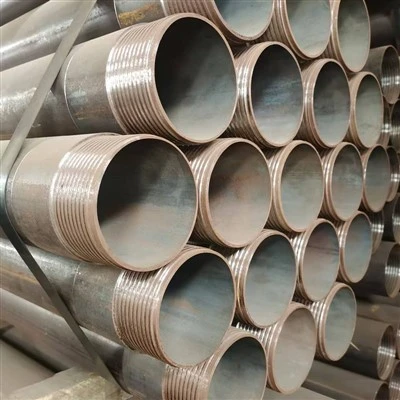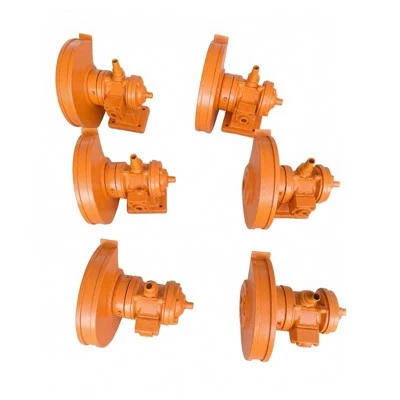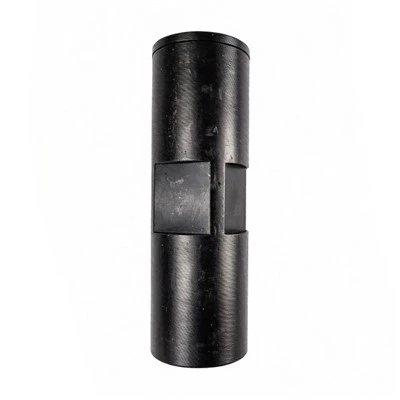
A drill rod adapter is a crucial component in the drilling industry, serving as a connection between different parts of the drill string. It is designed to ensure a secure and efficient transfer of power and torque during the drilling process. Surface treatment of a drill rod adapter plays a significant role in enhancing its performance, durability, and resistance to various environmental factors. As a Drill Rod Adapter supplier, we understand the importance of surface treatment and its impact on the overall quality of our products. This blog will delve into the different surface treatments for drill rod adapters, their benefits, and how they contribute to the success of drilling operations.
Common Surface Treatments for Drill Rod Adapters
1. Galvanizing
Galvanizing is one of the most widely used surface treatments for drill rod adapters. It involves coating the adapter with a layer of zinc through a process called hot - dip galvanizing. In this process, the drill rod adapter is immersed in a bath of molten zinc at a temperature of around 450°C. The zinc reacts with the iron in the adapter to form a series of zinc - iron alloy layers, followed by a pure zinc outer layer.
The benefits of galvanizing are numerous. Firstly, it provides excellent corrosion resistance. Zinc acts as a sacrificial anode, meaning that it corrodes preferentially to the iron in the adapter. This protects the underlying metal from rust and corrosion, even in harsh environments such as those with high humidity, saltwater, or chemical exposure. Secondly, galvanizing is a relatively cost - effective surface treatment method. It offers long - term protection at a lower cost compared to some other anti - corrosion treatments. For example, in marine drilling applications, where the drill rod adapters are constantly exposed to saltwater, galvanized adapters can last for a significantly longer time without significant corrosion damage.
2. Chrome Plating
Chrome plating is another popular surface treatment option. It involves depositing a thin layer of chromium onto the surface of the drill rod adapter through an electroplating process. Chrome plating can be divided into two main types: decorative chrome plating and hard chrome plating. For drill rod adapters, hard chrome plating is more commonly used.
Hard chrome plating provides several advantages. It has a high hardness and low coefficient of friction. The high hardness makes the adapter more resistant to wear and abrasion, especially in applications where the adapter comes into contact with abrasive materials such as rocks during drilling. The low coefficient of friction reduces the frictional force between the adapter and other components in the drill string, which can improve the efficiency of the drilling process and reduce energy consumption. Additionally, chrome plating also offers some level of corrosion resistance, although it may not be as effective as galvanizing in highly corrosive environments.
3. Nitriding
Nitriding is a heat - treatment process that involves introducing nitrogen into the surface layer of the drill rod adapter. There are different types of nitriding methods, such as gas nitriding, ion nitriding, and salt - bath nitriding. During the nitriding process, nitrogen atoms diffuse into the surface of the metal, forming nitride compounds.

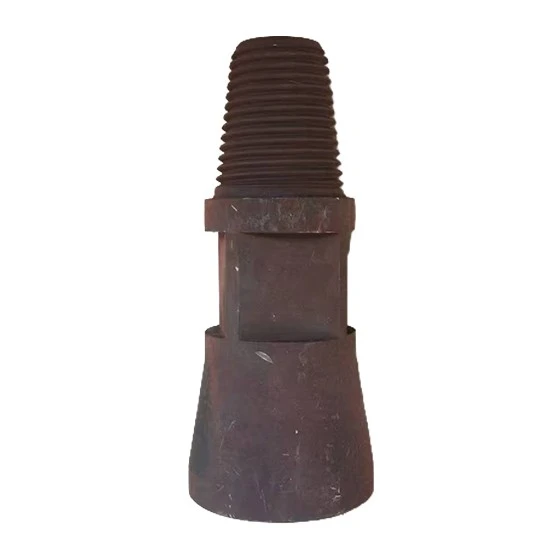
One of the key benefits of nitriding is the improvement in surface hardness and wear resistance. Nitrided drill rod adapters can withstand high - stress conditions and have a longer service life compared to untreated adapters. The nitride layer also provides enhanced fatigue resistance, which is important for drill rod adapters that are subjected to repeated loading and unloading during drilling operations. In addition, nitriding can improve the surface finish of the adapter, reducing the risk of surface cracking and other forms of damage.
Impact of Surface Treatment on Drill Rod Adapter Performance
The surface treatment of drill rod adapters has a direct impact on their performance in various aspects. In terms of durability, a well - treated adapter can withstand the harsh conditions of drilling operations for a longer period. For example, galvanized or nitrided adapters are less likely to corrode or wear out quickly, which means fewer replacements and lower maintenance costs for drilling companies.
In terms of functionality, surface treatments can improve the connection between the adapter and other parts of the drill string. A smooth and wear - resistant surface, such as that provided by chrome plating, can ensure a better fit and more efficient transfer of power and torque. This leads to more stable and effective drilling operations.
Environmentally, proper surface treatment can reduce the environmental impact of drilling. By preventing corrosion and wear, less material is released into the environment during the drilling process. Additionally, longer - lasting drill rod adapters mean less waste generated from frequent replacements.
Types of Drill Rod Adapters and Their Surface Treatment Requirements
1. Swivel Sub
A swivel sub is a type of drill rod adapter that allows for rotation between different parts of the drill string. The surface treatment for swivel subs is crucial to ensure smooth rotation and prevent corrosion. Hard chrome plating is often a good choice for swivel subs as it provides low friction and wear resistance, enabling smooth rotational movement. Galvanizing can also be used to protect the sub from corrosion, especially in corrosive environments.
2. Straight Od Sub
Straight OD subs are used for making straight connections in the drill string. Their surface treatment requirements mainly focus on corrosion resistance and general durability. Galvanizing is commonly used for straight OD subs due to its cost - effectiveness and good corrosion protection. Nitriding can also be applied to enhance their wear and fatigue resistance, especially in applications where the subs are subjected to high - stress conditions.
3. Drill Stem Sub
Drill stem subs are important components for transmitting power and torque in the drill string. They need to have high strength and resistance to wear and corrosion. Chrome plating can be used to improve their wear resistance and reduce friction, while nitriding can enhance their surface hardness and fatigue resistance. Galvanizing can also be a part of the surface treatment process to provide additional corrosion protection.
4. Drill Rod Adapter
As the main product we supply, drill rod adapters need a comprehensive surface treatment to meet various drilling requirements. Depending on the application environment, a combination of different surface treatments may be used. For example, in a corrosive and abrasive environment, we may first galvanize the adapter for corrosion protection and then apply hard chrome plating for wear resistance.
5. Drill String Transition Adapter
Drill string transition adapters are used to connect different sizes or types of drill pipes. Their surface treatment should ensure a reliable connection and long - term performance. Similar to other types of adapters, corrosion resistance and wear resistance are the main concerns. Galvanizing, chrome plating, and nitriding can all be considered based on the specific requirements of the drilling operation.
Conclusion
Surface treatment of drill rod adapters is a critical aspect that affects their performance, durability, and overall effectiveness in drilling operations. Different surface treatments such as galvanizing, chrome plating, and nitriding offer unique benefits, and the choice of treatment depends on the specific application environment and requirements. As a Drill Rod Adapter supplier, we are committed to providing high - quality adapters with appropriate surface treatments to meet the diverse needs of our customers.
If you are in the market for drill rod adapters, we invite you to contact us for more information and to discuss your specific purchasing needs. We have a wide range of products and the expertise to help you find the best solutions for your drilling projects. Let us work together to ensure the success of your drilling operations.
References
- "Handbook of Surface Engineering" by T. S. Sudarshan and M. K. Surappa.
- "Corrosion Resistance of Metals and Alloys" edited by Joseph R. Davis.
- Industry - specific research reports on drilling equipment and components.