As a supplier of drill rod adapters, I've encountered numerous inquiries about the lifespan of these crucial components in the drilling industry. Understanding the lifespan of a drill rod adapter is essential for both cost - effectiveness and operational efficiency. In this blog, I'll delve into the factors that influence the lifespan of drill rod adapters, typical lifespans under different conditions, and how to extend their service life.
Factors Affecting the Lifespan of Drill Rod Adapters
Material Quality
The material used in the manufacturing of drill rod adapters is a fundamental determinant of their lifespan. High - quality steel alloys are commonly employed due to their excellent strength, toughness, and wear resistance. For instance, steel alloys with a proper balance of carbon, chromium, and nickel can withstand high - stress environments and resist corrosion. Adapters made from substandard materials will inevitably have a shorter lifespan as they may crack, deform, or wear out quickly under normal drilling conditions.
Drilling Conditions
The environment in which the drill rod adapter operates has a significant impact on its lifespan. If the drilling is taking place in hard rock formations, the adapter will experience much higher levels of stress and abrasion compared to drilling in soft soil. In hard rock drilling, the constant pounding and scraping against the rock can cause rapid wear on the adapter's surface, leading to a reduced lifespan. Additionally, drilling in corrosive environments, such as in areas with high levels of saltwater or acidic groundwater, can accelerate the corrosion process of the adapter, further shortening its life.

Operating Parameters
The way the drill rod adapter is used also plays a crucial role. Parameters such as rotational speed, feed pressure, and torque can all affect the stress levels on the adapter. Excessive rotational speed can cause overheating, which may lead to a reduction in the material's strength and an increased risk of failure. Similarly, applying too much feed pressure or torque can cause the adapter to deform or break. Operators need to carefully control these parameters according to the specific drilling requirements and the capabilities of the adapter.
Maintenance and Care
Proper maintenance and care can significantly extend the lifespan of a drill rod adapter. Regular inspections for signs of wear, cracks, or corrosion are essential. Any damaged parts should be repaired or replaced promptly. Additionally, keeping the adapter clean and lubricated can reduce friction and wear. For example, using a high - quality lubricant can prevent metal - to - metal contact and protect the adapter from corrosion.
Typical Lifespans of Different Types of Drill Rod Adapters
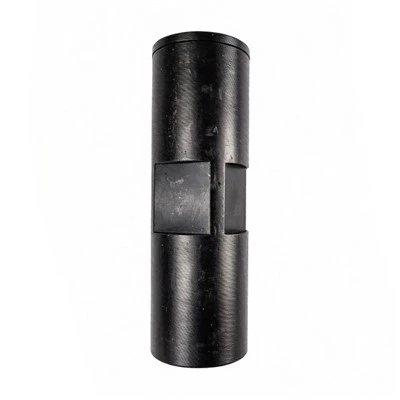
Straight Od Sub
The Straight Od Sub is designed to connect drill rods with the same outer diameter. Under normal drilling conditions in medium - hardness rock formations, with proper maintenance, a high - quality Straight Od Sub can last anywhere from 500 to 1000 hours of drilling. However, if the drilling is in extremely hard rock or under harsh environmental conditions, its lifespan may be reduced to 200 - 500 hours.
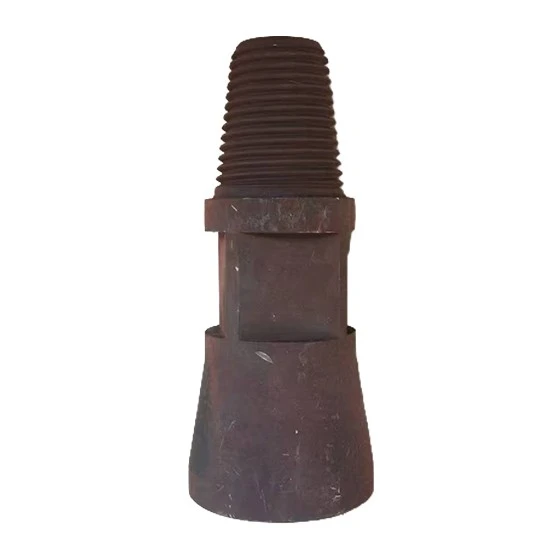
Reduced Section Sub
The Reduced Section Sub is used to connect drill rods of different diameters. Due to the stress concentration at the reduced section, its lifespan is generally a bit shorter than that of the Straight Od Sub. In normal medium - hardness rock drilling, it may last around 300 - 800 hours. In more challenging conditions, such as in hard rock with high - impact drilling, the lifespan could be as low as 100 - 300 hours.
Swivel Sub
The Swivel Sub allows for rotational movement between different parts of the drill string. The lifespan of a Swivel Sub depends largely on its internal bearings and the quality of its sealing. In well - maintained drilling operations in average rock conditions, a Swivel Sub can last 600 - 1200 hours. However, if the seals are damaged and contaminants enter the bearings, the lifespan can be severely reduced, sometimes to as little as 100 - 300 hours.
Drilling Tools Sub
The Drilling Tools Sub is used to connect various drilling tools to the drill string. Its lifespan is influenced by the type of tool it connects and the drilling conditions. In general, in medium - hardness rock drilling, a Drilling Tools Sub can last 400 - 900 hours. In more demanding applications, such as in deep - hole drilling or in hard rock with high - energy percussion, its lifespan may drop to 200 - 400 hours.
Drill String Transition Adapter
The Drill String Transition Adapter is used to transition between different sizes or types of drill strings. Its lifespan is similar to that of the Reduced Section Sub in many cases. In normal medium - hardness rock drilling, it can last 300 - 800 hours, and in harsh conditions, it may only last 100 - 300 hours.
Extending the Lifespan of Drill Rod Adapters
Optimize Drilling Parameters
As mentioned earlier, controlling the rotational speed, feed pressure, and torque is crucial. Operators should refer to the manufacturer's guidelines and adjust these parameters based on the specific drilling conditions. For example, in hard rock drilling, reducing the rotational speed and increasing the feed pressure gradually can help minimize stress on the adapter.
Regular Maintenance
Implement a strict maintenance schedule. This includes cleaning the adapter after each use, inspecting for damage, and greasing the moving parts. Any signs of wear or damage should be addressed immediately to prevent further deterioration.
Upgrade to High - Quality Adapters
Investing in high - quality drill rod adapters from the start can save money in the long run. High - quality adapters are made from better materials and are more resistant to wear, corrosion, and impact. Although they may have a higher initial cost, their longer lifespan can result in lower overall costs.
Training Operators
Proper training of operators is essential. They should be educated about the correct use of drill rod adapters, the importance of maintenance, and how to identify potential problems. Well - trained operators are more likely to use the equipment correctly and take appropriate actions to extend its lifespan.
Conclusion
The lifespan of a drill rod adapter is a complex issue that depends on multiple factors, including material quality, drilling conditions, operating parameters, and maintenance. As a supplier, we are committed to providing our customers with high - quality drill rod adapters and offering valuable advice on how to maximize their lifespan. By understanding these factors and taking appropriate measures, drilling companies can significantly reduce their operating costs and improve the efficiency of their drilling operations.
If you are interested in purchasing high - quality drill rod adapters or have any questions about their lifespan and usage, don't hesitate to get in touch. We are here to assist you in making the best choices for your drilling needs.
References
- Smith, J. (2018). Drilling equipment: Materials and durability. Drilling Journal, 25(3), 45 - 53.
- Johnson, A. (2019). Optimal drilling parameters for enhancing tool lifespan. Mining Science, 12(2), 78 - 89.
- Williams, K. (2020). Maintenance strategies for drill rod adapters. Oil and Gas Drilling Review, 30(4), 101 - 110.