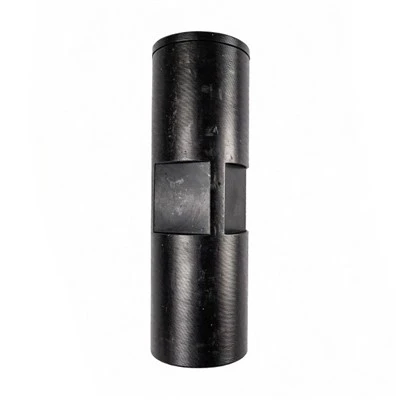
Can tube well casing pipe be used in offshore areas? That's a question I often get asked as a supplier of Tube Well Casing Pipe. In this blog, I'll share my thoughts and insights based on my experience in the industry.
First off, let's understand what tube well casing pipes are. These pipes are primarily used in tube well construction to prevent the wellbore from collapsing and to isolate different geological layers. They're typically made of materials like carbon steel and are designed to withstand the pressure and conditions underground.
Now, when it comes to using them in offshore areas, there are quite a few factors to consider. Offshore environments are extremely harsh. The seawater is highly corrosive, and the pipes are exposed to continuous wave action, strong currents, and significant pressure variations.
One of the biggest challenges is corrosion. Seawater contains a high concentration of salt, which can quickly eat away at the metal if it's not properly protected. Standard tube well casing pipes might not have the kind of corrosion resistance needed for long - term use in the ocean. However, if we're talking about Carbon Steel Casing Pipe with advanced coatings or made from corrosion - resistant alloys, the situation can change. Special coatings can act as a barrier between the steel and the seawater, significantly reducing the rate of corrosion.
Another aspect is the mechanical stress. In offshore areas, the pipes are subject to dynamic loads from waves and currents. Unlike in a land - based tube well where the environment is relatively stable, the constant movement in the ocean can cause fatigue in the pipes over time. Tube well casing pipes are usually designed for static or semi - static loads in a wellbore. So, for offshore use, they may need to be reinforced or redesigned to handle these dynamic stresses.
But it's not all doom and gloom. There are scenarios where tube well casing pipes can have a place in offshore operations. For example, in some shallow - water offshore projects where the water depth is not too great and the environmental conditions are relatively mild, tube well casing pipes can be a cost - effective alternative. They can be used in small - scale exploration wells or for temporary installations.
Let's also talk about the installation process. In land - based tube well construction, the installation is relatively straightforward. You drill the hole and then insert the casing pipe. In an offshore setting, the installation is much more complex. Specialized vessels and equipment are required to lower the pipes into the seabed. The pipes also need to be properly aligned and connected to form a continuous and stable structure.
Now, comparing tube well casing pipes with other types of pipes used in the offshore industry, such as Oil Casing Pipe and Oil Well Casing Pipe, there are some clear differences. Oil casing pipes are designed specifically for oil and gas wells in offshore environments. They're built to meet strict industry standards and are engineered to handle high - pressure, high - temperature conditions. They also have better corrosion resistance and mechanical properties compared to standard tube well casing pipes.


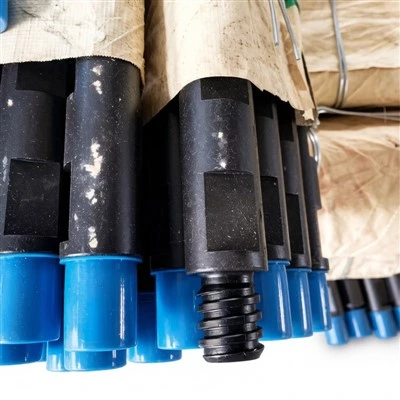
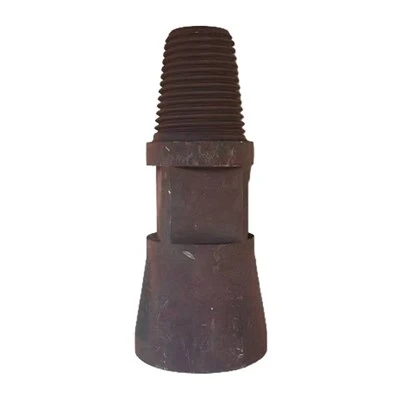
However, Borewell Drilling Pipe has some similarities with tube well casing pipes. Both are used in drilling operations, but borewell drilling pipes are more focused on the actual drilling process, while casing pipes are for wellbore protection.
If you're thinking about using tube well casing pipes in an offshore project, here are some tips. First, consult with a geological or engineering expert. They can assess your specific project requirements and tell you if tube well casing pipes are a viable option. Second, consider customizing the pipes. You might need to modify the material, add coatings, or change the design to make them suitable for the offshore environment.
In conclusion, while tube well casing pipes can't directly replace the specialized pipes used in most offshore oil and gas operations, they can be used in some specific offshore scenarios. With proper treatment and design adjustments, they can offer a cost - effective solution for certain projects.
So, if you're in the market for tube well casing pipes, whether for onshore or offshore use, I'm here to help. I've got a wide range of high - quality products, and I can work with you to find the best solution for your project. If you have any questions or want to discuss your requirements, feel free to reach out. Let's have a chat and see how we can make your project a success.
References
- Industry reports on offshore pipe materials
- Technical manuals of tube well casing pipes
- Case studies of offshore projects using alternative pipe solutions