Over the years, the design of drill pipes has undergone significant transformations, shaped by technological advancements, evolving industry needs, and a relentless pursuit of efficiency and safety. As a drill pipe supplier, I have witnessed firsthand how these changes have revolutionized the drilling industry. In this blog, I will explore the key milestones in the evolution of drill pipe design and how these developments have influenced the way we approach drilling operations today.
Early Beginnings: The Birth of Drill Pipes
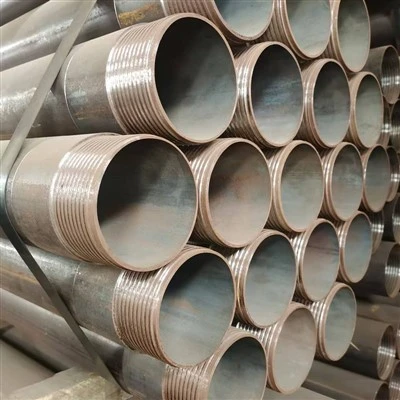
The history of drill pipes dates back to the early days of the oil and gas industry in the 19th century. Initially, drill pipes were simple and rudimentary, made from wrought iron or steel. These early pipes were relatively short and had a basic design, consisting of a hollow tube with threaded connections at each end. The primary function of these drill pipes was to transmit torque and weight from the drilling rig to the drill bit, allowing it to penetrate the earth's surface.
One of the major challenges faced by early drill pipe designers was the issue of strength and durability. The harsh drilling conditions, including high pressure, torque, and vibration, often caused the pipes to fail prematurely. To address this problem, manufacturers began experimenting with different materials and manufacturing processes. For example, the introduction of seamless steel pipes in the early 20th century significantly improved the strength and reliability of drill pipes. Seamless pipes are made by piercing a solid billet of steel to create a hollow tube, which eliminates the weak points associated with welded seams.
The Mid - 20th Century: Advancements in Material and Design
The mid - 20th century marked a period of significant innovation in drill pipe design. With the increasing demand for oil and gas, drilling operations were moving into deeper and more challenging environments. This required drill pipes that could withstand higher pressures, temperatures, and mechanical stresses.
One of the key developments during this period was the use of high - strength alloy steels. These steels offered superior strength and toughness compared to traditional carbon steels, allowing drill pipes to operate under more extreme conditions. Additionally, improvements in heat treatment processes further enhanced the mechanical properties of the pipes. For example, quenching and tempering processes were used to optimize the hardness and strength of the steel, making the drill pipes more resistant to wear, fatigue, and corrosion.
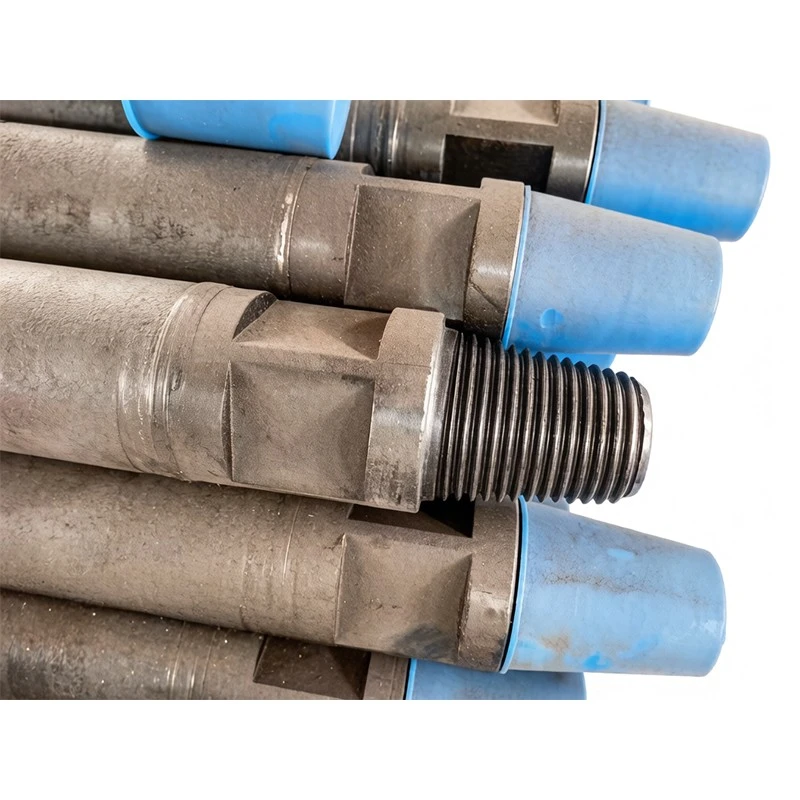
Another important advancement was the development of improved threaded connections. The threaded connections are critical components of drill pipes, as they transmit torque and axial loads between adjacent pipes. In the early days, simple tapered threads were used, but these connections were prone to leakage and failure under high - stress conditions. To overcome these issues, manufacturers introduced new types of threaded connections, such as API (American Petroleum Institute) connections. API connections are standardized and designed to provide a tight seal and high - strength connection, reducing the risk of leakage and improving the overall reliability of the drill string.
The Late 20th Century: Technological Breakthroughs
The late 20th century witnessed a series of technological breakthroughs that had a profound impact on drill pipe design. One of the most significant developments was the introduction of computer - aided design (CAD) and finite element analysis (FEA) techniques. These tools allowed engineers to model and analyze the behavior of drill pipes under different operating conditions, enabling them to optimize the design for maximum performance and reliability.

CAD technology made it possible to create detailed 3D models of drill pipes, which could be easily modified and refined. FEA, on the other hand, provided a powerful tool for predicting the stress distribution, deformation, and fatigue life of the pipes. By using these techniques, engineers could identify potential weak points in the design and make necessary improvements before the pipes were manufactured.
Another important innovation was the development of corrosion - resistant coatings. Drill pipes are often exposed to harsh chemical environments, such as drilling fluids and corrosive gases, which can cause significant damage to the pipes over time. Corrosion - resistant coatings, such as epoxy and zinc - based coatings, were developed to protect the pipes from corrosion and extend their service life. These coatings provide a barrier between the steel surface and the corrosive environment, preventing the formation of rust and other forms of corrosion.
The 21st Century: Focus on Sustainability and Efficiency
In the 21st century, the design of drill pipes has continued to evolve, with a growing focus on sustainability and efficiency. As the world becomes more conscious of environmental issues, the drilling industry is under increasing pressure to reduce its environmental impact. This has led to the development of drill pipes that are more energy - efficient and environmentally friendly.
One of the key trends in recent years is the use of lightweight materials. Lightweight drill pipes, made from materials such as aluminum and composite materials, offer several advantages over traditional steel pipes. They are easier to handle and transport, reducing the energy consumption associated with drilling operations. Additionally, lightweight pipes can reduce the load on the drilling rig, allowing for more efficient use of energy.
Another important development is the integration of smart technologies into drill pipes. Smart drill pipes are equipped with sensors and monitoring systems that can collect real - time data on the operating conditions of the pipes, such as temperature, pressure, and vibration. This data can be used to optimize the drilling process, identify potential problems before they occur, and improve the overall safety and efficiency of the operation.
Our Product Range
As a drill pipe supplier, we offer a wide range of drill pipes to meet the diverse needs of our customers. Our product portfolio includes Matrix Drill Pipe, which is designed for high - performance drilling applications. These pipes are made from high - strength alloy steels and feature advanced threaded connections for maximum reliability.
We also offer Dth Drill Pipe, which is specifically designed for down - the - hole (DTH) drilling. These pipes are built to withstand the high - impact forces and vibrations associated with DTH drilling, providing excellent performance and durability.
For directional drilling applications, we have Directional Drill Pipe. These pipes are engineered to provide precise control and steering capabilities, allowing for accurate drilling in complex geological formations.
Our Reverse Circulation Drill Pipe is designed for reverse - circulation drilling methods. This type of drilling is used in various applications, such as mineral exploration and geotechnical investigations, and our pipes are optimized to ensure efficient and reliable operation.
Finally, our Welding Drill Pipe is suitable for applications where welding is required. These pipes are made from high - quality materials and are designed to provide a strong and reliable welded connection.
Contact Us for Your Drill Pipe Needs
If you are in the market for high - quality drill pipes, we would be delighted to discuss your requirements. Our team of experts has extensive knowledge and experience in the drill pipe industry, and we can provide you with the best solutions for your drilling operations. Whether you are involved in oil and gas exploration, mining, or geotechnical applications, we have the right drill pipes to meet your needs. Contact us today to start a conversation about how we can help you achieve your drilling goals.
References
- American Petroleum Institute (API). API Specification 5DP: Specification for Drill Pipe.
- Craig, R. G. (2008). "Drill String Design and Mechanics". Gulf Professional Publishing.
- Mitchell, R. F., & Miska, S. Z. (2011). "Fundamentals of Drilling Engineering". Society of Petroleum Engineers.