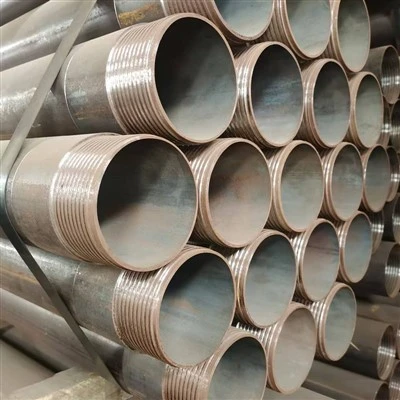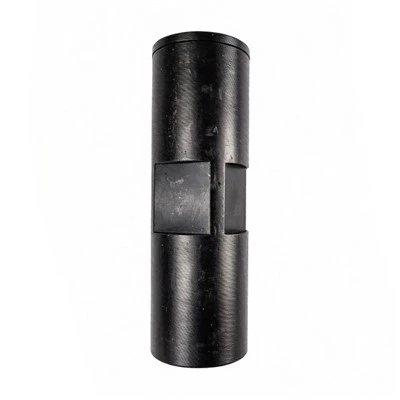
Drill pipes are vital components in the oil and gas drilling industry, mining operations, and geotechnical exploration. Their strength and integrity are crucial for the success and safety of drilling projects. One of the key factors influencing the strength of drill pipes is the welding process used in their manufacturing. As a Welding Drill Pipe supplier, we understand the significance of this process and its effects on the final product.
Basic Concepts of Drill Pipe Welding
Welding is a process that joins two or more pieces of metal by heating them to a suitable temperature, often with the addition of a filler material. In the case of drill pipes, welding is typically used to connect the tool joints (the threaded ends) to the pipe body. This connection must be extremely strong and reliable because drill pipes are subjected to high levels of stress during drilling operations, including tension, compression, torsion, and bending.
There are several welding methods commonly used in the production of drill pipes, such as shielded metal arc welding (SMAW), gas tungsten arc welding (GTAW), gas metal arc welding (GMAW), and submerged arc welding (SAW). Each method has its own characteristics, advantages, and limitations, which can significantly affect the strength and quality of the welded drill pipes.
Effects of Welding Process on Drill Pipe Strength
1. Weld Microstructure
The welding process determines the microstructure of the weld zone, which in turn has a profound impact on the strength of the drill pipe. During welding, the metal in the weld area is heated to a very high temperature and then rapidly cooled. This thermal cycle causes changes in the crystal structure of the metal.
For example, in some welding processes, rapid cooling can lead to the formation of hard and brittle microstructures, such as martensite. Martensite has high hardness but low toughness, which can reduce the overall strength and ductility of the drill pipe. On the other hand, a well - controlled welding process can produce a more favorable microstructure, such as ferrite - pearlite, which provides a good balance of strength and toughness.
2. Weld Defects
Welding defects can seriously undermine the strength of drill pipes. Common welding defects include porosity, cracks, lack of fusion, and slag inclusions.
Porosity is the presence of small holes in the weld caused by gas entrapment during the welding process. These holes act as stress concentrators, reducing the cross - sectional area of the weld and increasing the likelihood of crack initiation and propagation under stress.
Cracks are perhaps the most critical welding defect. They can occur due to various factors, such as high residual stresses, improper welding parameters, or inadequate pre - heat and post - heat treatments. Cracks can quickly grow under the cyclic loading conditions experienced by drill pipes during drilling, leading to catastrophic failure.
Lack of fusion means that the filler metal does not properly bond with the base metal or previous weld passes. This results in a weak joint that is prone to failure under stress. Slag inclusions are non - metallic particles trapped in the weld, which can also reduce the strength and integrity of the joint.
3. Residual Stresses
Welding generates residual stresses in the drill pipe. These stresses are caused by the uneven heating and cooling of the metal during the welding process. Residual stresses can be either tensile or compressive.
Tensile residual stresses can add to the applied stresses during drilling operations, increasing the risk of crack initiation and propagation. Compressive residual stresses, on the other hand, can be beneficial as they can counteract the applied tensile stresses to some extent.
The magnitude and distribution of residual stresses depend on the welding process, welding parameters, and the geometry of the drill pipe. For example, some welding processes with high heat input, like SMAW, tend to produce higher residual stresses compared to low - heat - input processes like GTAW.
Impact on Different Types of Drill Pipes
Reverse Circulation Drill Pipe
Reverse circulation drill pipes are used in specific drilling techniques where the drilling fluid is circulated in the opposite direction compared to conventional methods. The strength of the welded joints in reverse circulation drill pipes is crucial because they are often subjected to high - pressure fluid flow and rapid changes in pressure. A poorly welded joint can lead to leaks or failures, which can disrupt the drilling process and cause significant losses.
Dth Drill Pipe
DTH (down - the - hole) drill pipes are used in percussion drilling operations. They are exposed to high - frequency impact loads. The welding process must ensure that the joints can withstand these impacts without cracking or failing. A strong and reliable weld is essential to maintain the integrity of the drill pipe and prevent the separation of the tool joints from the pipe body.
Matrix Drill Pipe
Matrix drill pipes are used in complex drilling environments where they need to resist wear, corrosion, and high stresses. The welding process affects the ability of the drill pipe to maintain its strength and performance under these harsh conditions. For example, a weld with good corrosion resistance can prevent the initiation and spread of corrosion in the joint area, which could otherwise weaken the pipe.
Directional Drill Pipe
Directional drill pipes are used in drilling operations where the borehole is deviated from the vertical. These pipes are subjected to significant bending and torsional stresses. The welding process must produce joints that can withstand these complex stress conditions. A well - welded directional drill pipe can ensure accurate wellbore trajectory control and prevent premature failure.
How We as a Supplier Ensure High - Strength Welded Drill Pipes
As a Welding Drill Pipe supplier, we take several measures to ensure that our drill pipes have high strength and quality.
First, we carefully select the welding method based on the specific requirements of the drill pipe. For example, for drill pipes that require high precision and low heat input, we may choose GTAW. For high - productivity welding of large - diameter drill pipes, SAW may be a better option.
Second, we strictly control the welding parameters, such as welding current, voltage, welding speed, and shielding gas flow rate. These parameters are optimized through extensive testing and quality control procedures to ensure the formation of a sound and strong weld.
Third, we implement comprehensive pre - heat and post - heat treatments. Pre - heating helps to reduce the cooling rate of the weld, preventing the formation of hard and brittle microstructures. Post - heat treatments, such as stress - relieving annealing, can reduce the residual stresses in the weld and improve the overall mechanical properties of the drill pipe.
Finally, we conduct thorough quality inspections on all welded drill pipes. Non - destructive testing methods, such as ultrasonic testing, magnetic particle testing, and radiographic testing, are used to detect any hidden defects in the welds. Only drill pipes that pass these strict quality inspections are shipped to our customers.
Conclusion
The welding process has a significant impact on the strength of drill pipes. It affects the microstructure, the presence of defects, and the residual stresses in the weld zone, all of which can influence the overall performance and reliability of the drill pipe. As a Welding Drill Pipe supplier, we are committed to providing high - quality drill pipes by applying advanced welding technologies, strict quality control measures, and continuous improvement.
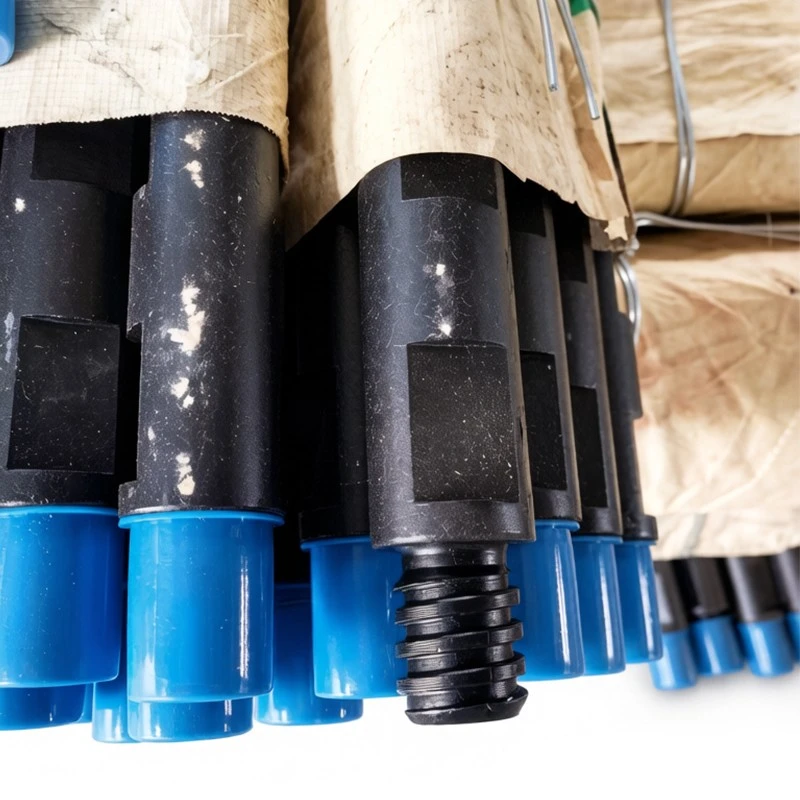

If you are in need of high - strength drill pipes for your drilling projects, we invite you to contact us for a detailed discussion. Our technical team can provide you with professional advice and customized solutions to meet your specific requirements. We look forward to collaborating with you and contributing to the success of your drilling operations.
References
- Jonas, J. J., & Schey, J. A. (Eds.). (2003). Metal Forming: Principles and Applications. ASM International.
- Lancaster, J. F. (1999). Welding Metallurgy. Butterworth - Heinemann.
- American Petroleum Institute. (2019). API Specification 5DP: Drill Pipe.