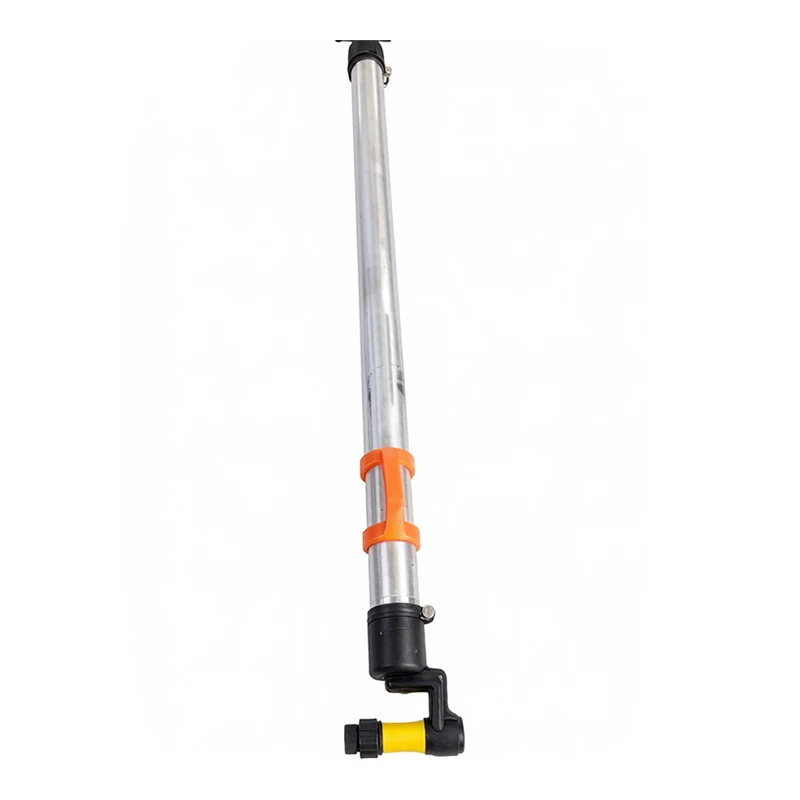
Carbon steel imparts excellent comprehensive mechanical properties to these sleeves, making them widely used in building structures. A sleeve is a prefabricated component designed to protect piping as it passes through walls or floor slabs; typically made of carbon steel, it offers high strength, impact resistance, and good weldability. Surfaces can be treated with anti-rust coatings to suit various environmental requirements. In renovation and construction projects, carbon steel sleeves are primarily used to protect electrical conduits and plumbing lines (water supply and drainage) passing through walls, effectively preventing deformation or damage caused by pressure. Additionally, they are available in a full range of specifications-from DN15 to DN300-to meet diverse engineering design requirements.
Regarding technical characteristics, carbon steel sleeves are formed using cold-drawing or hot-rolling processes, resulting in uniform wall thickness and precise inner diameters that ensure smooth pipe insertion. The ends are usually beveled or flanged to facilitate installation and sealing. The thermal expansion coefficient of carbon steel is similar to that of concrete, allowing them to work in unison after pouring and reducing the risk of cracking. In practical applications, these sleeves are often paired with waterproof wing rings to enhance waterproofing performance. Galvanizing or painting treatments can extend their service life to over 20 years.
Top-tier carbon steel sleeve manufacturers typically operate comprehensive production lines covering processes such as cutting, pipe rolling, welding, straightening, and inspection. These factories employ high-frequency straight-seam welding or seamless cold-drawing processes, strictly controlling the chemical composition and mechanical properties of raw materials. Before leaving the factory, products undergo hydrostatic testing and eddy-current flaw detection to ensure zero leakage. Some advanced facilities utilize automated welding robots and precision measuring equipment, which not only boosts efficiency but also ensures product consistency. Furthermore, these factories prioritize environmental protection by adopting chromium-free passivation processes to minimize their ecological footprint.
Regionally, the production of carbon steel sleeves is concentrated in areas rich in steel resources, such as Hebei, Tianjin, and Shandong. These regions benefit from mature steel industry chains and logistical advantages, allowing for the local sourcing of high-quality carbon steel plates or pipe billets, thereby reducing production costs. Local factories leverage these industrial clusters to facilitate frequent technical exchanges and lead the way in process innovation. For instance, given the cold winters in northern regions, carbon steel sleeves require superior low-temperature toughness; local manufacturers meet this demand by adjusting their heat treatment processes.
Overall, carbon steel casings hold a significant position in the construction and renovation materials sector due to their cost-effectiveness and reliability. Leading manufacturers provide customized solutions to clients through rigorous quality control and continuous innovation. Leveraging regional advantages in raw materials and processing expertise, these products have gained widespread recognition in the domestic market and are increasingly being exported to emerging markets such as Southeast Asia and Africa. Looking ahead, the promotion of prefabricated construction will further enhance the value of carbon steel casings through standardized and modular production.