Hey there! As a supplier of Oil Well Casing Pipe, I often get asked about the visual inspection criteria for these pipes. It's super important because a proper visual inspection can catch a whole bunch of issues early on, which helps ensure the safety and efficiency of oil well operations. So, let's dive right into it!
1. Surface Defects
The first thing we look at is the surface of the casing pipe. You want a smooth and uniform surface. Any signs of cracks, scratches, or dents can be a big red flag. Cracks, especially, are a major problem. They can weaken the pipe's structure and lead to leaks or even pipe failure down the line. Scratches might not seem like a big deal at first, but they can also cause stress concentrations and speed up corrosion.
Small scratches that are within a certain depth limit might be okay, but anything deeper could be a concern. When it comes to dents, we measure their depth and diameter. If they're too big, the pipe might not be able to withstand the pressure it's supposed to in the oil well.
2. Coating Integrity
Most oil well casing pipes are coated to protect them from corrosion. So, we need to check the coating thoroughly. The coating should cover the entire surface of the pipe evenly. If there are any areas where the coating is missing, peeling, or has blisters, that's a problem.
Missing coating leaves the steel exposed to the harsh environment in the well, including corrosive fluids and gases. Peeling or blistering coating isn't doing its job either. It can start to come off completely, and then the pipe is at risk of corrosion. We might also check the thickness of the coating to make sure it meets the required standards.
3. Straightness
A casing pipe needs to be pretty straight. If it's bent too much, it can cause problems during installation. When you're trying to lower the pipe into the well, a bent pipe can get stuck or not line up properly. We usually use some simple tools to check the straightness of the pipe.
If the pipe has a slight curve, it might still be usable, depending on the well conditions. But if it's severely bent, it's probably not going to be a good fit. Some wells have specific requirements for the maximum allowable deviation from straightness, and we need to make sure our pipes meet those.
4. Thread Condition
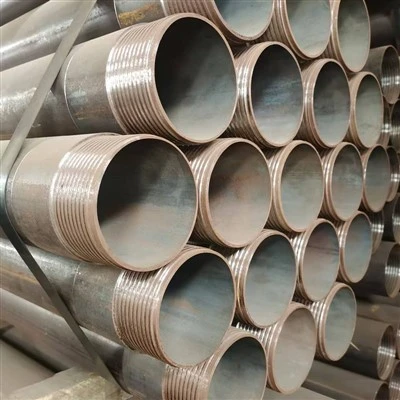
The threads on the casing pipe are crucial because they're what allow the pipes to be connected together. We look for any signs of damage to the threads, like chips, galling, or incorrect threading.
Chipped threads might not make a proper connection, which can lead to leaks or even the pipes coming apart. Galling is when the metal on the threads gets damaged due to friction during the connection process. This can also make the connection weak. And incorrect threading means the pipes won't screw together properly at all. We usually use thread gauges to check the accuracy of the threads.
5. Wall Thickness
The wall thickness of the casing pipe is a key factor in its strength and performance. If the wall is too thin, the pipe might not be able to handle the pressure in the well. We use tools like ultrasonic thickness gauges to measure the wall thickness at different points along the pipe.
It's normal for there to be some slight variations in wall thickness, but if the difference between the thickest and thinnest parts is too big, it could be a problem. We need to ensure that the wall thickness is within the specified range for the type of well the pipe is going to be used in.
6. End Condition
The ends of the casing pipe also need to be inspected. They should be cut cleanly and square. If the ends are not square, it can cause problems when connecting the pipes. The connection might not be tight, which can lead to leaks.


We also check for any burrs or sharp edges on the ends. Burrs can damage the coating or the threads during handling or installation. And sharp edges can be a safety hazard for the workers handling the pipes.
Why These Criteria Matter
All these visual inspection criteria are important because they directly impact the performance and safety of the oil well. A faulty casing pipe can lead to all sorts of problems, from oil spills to well collapse. By making sure our pipes meet these criteria, we're providing our customers with a reliable product that they can count on.
If you're in the market for high - quality Oil Well Casing Pipe, you can check out our products at Oil Well Casing Pipe. We also offer other types of pipes, like Borewell Drilling Pipe, Carbon Steel Casing Pipe, Oil Casing Pipe, and Tube Well Casing Pipe.
If you have any questions or are interested in placing an order, feel free to reach out. We're happy to discuss your requirements and help you find the right pipes for your oil well project.
References
- General Oilfield Equipment Standards: Industry guidelines for oil well casing pipes.
- Casing Pipe Manufacturer's Manuals: Specific information from manufacturers about inspection criteria.
- Oil Well Operation Best Practices Handbooks: Recommendations based on years of experience in the oil and gas industry.