As a supplier of air legs, I've been asked numerous times about the environmental impact of these tools. Air legs are widely used in the mining and construction industries, providing support and stability for rock drills. In this blog, I'll delve into the environmental aspects of air legs, examining both their positive and negative impacts.
The Basics of Air Legs
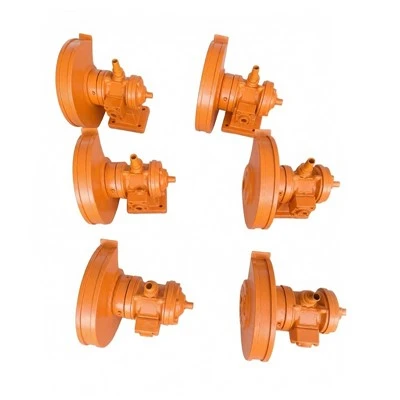
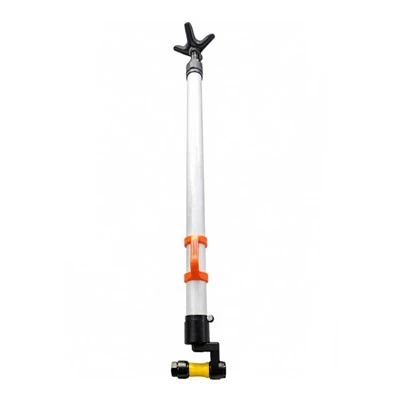
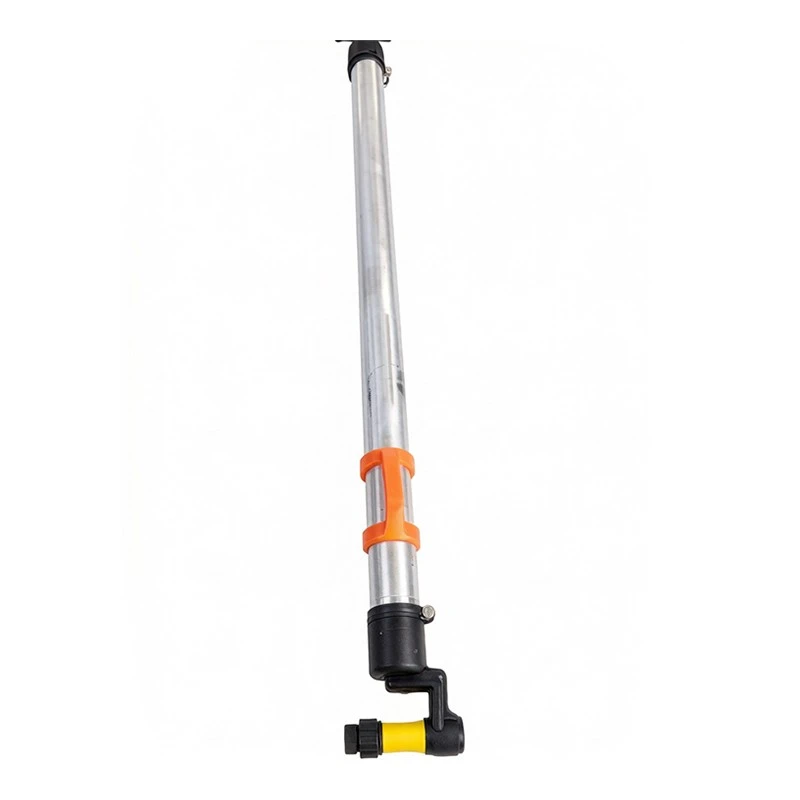
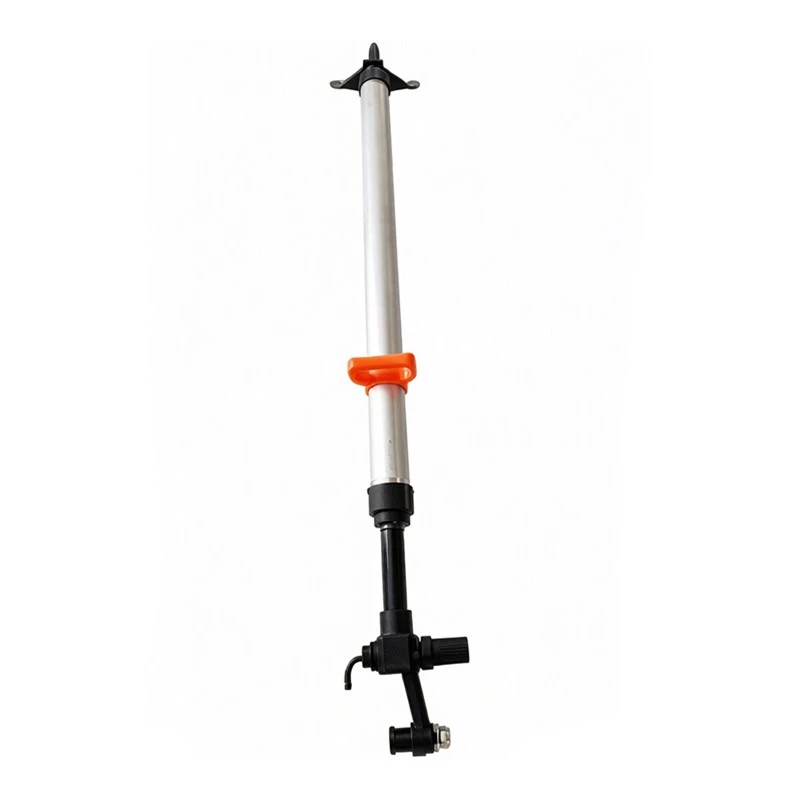
Before we discuss the environmental implications, let's briefly understand what air legs are. An air leg is a pneumatic device that is attached to a rock drill. It uses compressed air to extend and retract, providing the necessary force to hold the drill in place and apply pressure to the rock surface during drilling operations. There are different types of air legs available, such as the Extension Air Leg Support for Rock Drill, Support Air Leg for Rock Drill, Air Leg Drill, Extension Air Leg, and Leg Attachment Rock Drills.
Positive Environmental Impacts
Energy Efficiency
One of the significant advantages of air legs is their relatively high energy efficiency. Compressed air is used as the power source, which can be more efficient than some other forms of energy in certain applications. When compared to electric-powered drills, air legs can consume less energy, especially when the compressed air system is well-designed and maintained. Compressed air can be generated on-site using energy sources such as natural gas, which may have a lower carbon footprint than coal-fired electricity generation.
Reduced Emissions
Since air legs operate on compressed air, they produce zero direct emissions during their operation. This is in contrast to diesel-powered equipment, which emits harmful pollutants such as particulate matter, nitrogen oxides, and carbon monoxide. In underground mining operations, where ventilation can be a challenge, the use of air legs helps to maintain a cleaner and healthier working environment. This not only benefits the workers but also reduces the overall environmental impact of the mining site.
Longevity and Durability
Air legs are typically built to be robust and durable. They can withstand harsh working conditions, such as high temperatures, vibrations, and dust. This means that they have a long service life, reducing the need for frequent replacements. A longer service life translates into less waste generation and fewer resources used in the manufacturing of new equipment. Additionally, the components of air legs can often be repaired and refurbished, further extending their useful life and reducing their environmental footprint.
Negative Environmental Impacts
Compressed Air Generation
While air legs themselves have zero direct emissions, the generation of compressed air can have an environmental impact. Compressing air requires energy, and if the energy source is fossil fuels, it can lead to greenhouse gas emissions. The efficiency of the air compressor also plays a crucial role. Older or poorly maintained compressors may consume more energy than necessary, increasing the overall carbon footprint of the air leg system.
Noise Pollution
Air legs, especially when in operation, can produce significant noise levels. High noise exposure can have detrimental effects on the health of workers, as well as on the surrounding environment. Prolonged exposure to loud noise can cause hearing loss, stress, and other health problems. In addition, excessive noise can disrupt wildlife habitats, affecting the behavior and communication of animals in the area. Measures such as the use of noise - reducing enclosures or personal protective equipment for workers are necessary to mitigate this issue.
Lubrication and Maintenance
Air legs often require lubrication to ensure smooth operation. The lubricants used can be a source of environmental pollution if not properly managed. Spills or leaks of lubricants can contaminate soil and water sources, leading to ecological damage. Additionally, the disposal of used lubricants needs to be carried out in an environmentally responsible manner to prevent pollution.
Mitigating the Negative Impacts
Improving Compressor Efficiency
To reduce the environmental impact associated with compressed air generation, it is essential to focus on improving the efficiency of air compressors. This can be achieved through regular maintenance, such as cleaning air filters, checking for leaks in the compressed air system, and optimizing the compressor's operating parameters. The use of energy - efficient compressors with advanced control systems can also significantly reduce energy consumption and greenhouse gas emissions.
Noise Reduction Strategies
To address the issue of noise pollution, various noise reduction strategies can be implemented. For example, the design of air legs can incorporate noise - absorbing materials to reduce the noise generated during operation. Workers can be provided with high - quality personal protective equipment, such as earplugs and earmuffs. In addition, the layout of the work area can be optimized to separate noisy equipment from areas where workers spend most of their time.
Proper Lubrication Management
Proper lubrication management is crucial to minimize the environmental impact of air legs. This includes using environmentally friendly lubricants that are biodegradable and non - toxic. Regular inspections should be carried out to detect and prevent lubricant leaks. Used lubricants should be collected and recycled or disposed of in accordance with relevant environmental regulations.
Conclusion
In conclusion, air legs have both positive and negative environmental impacts. On the positive side, they are energy - efficient, produce zero direct emissions, and have a long service life, which helps to reduce waste. However, the generation of compressed air, noise pollution, and lubrication management are areas that require attention to minimize their environmental footprint.
As a supplier of air legs, we are committed to promoting sustainable practices in the use of our products. We offer high - quality air legs that are designed to be energy - efficient and durable. We also provide guidance on how to operate and maintain air legs in an environmentally responsible manner.
If you are in the market for air legs or have any questions about our products and their environmental impact, we would love to hear from you. Contact us to start a discussion about your specific needs and how we can provide the best solutions for your mining or construction projects.
References
- Johnson, A. (2020). Environmental Impact of Pneumatic Tools in Mining. Journal of Mining and Environmental Sustainability, 15(2), 45 - 56.
- Smith, B. (2019). Energy Efficiency of Compressed Air Systems in Industrial Applications. International Journal of Energy Management, 12(3), 78 - 89.
- Brown, C. (2021). Noise Pollution and Its Effects on Wildlife: A Review. Environmental Science and Technology, 25(4), 112 - 123.