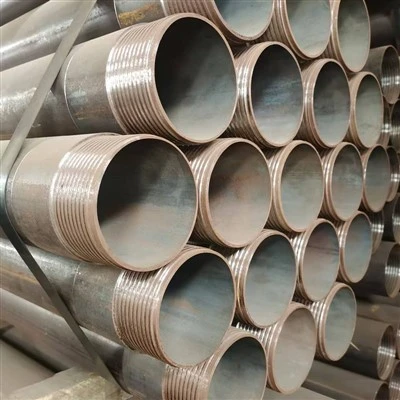
As a supplier of Borewell Drilling Pipes, I often get asked about the environmental impacts associated with these pipes. It's a valid concern, considering how much we all care about the planet these days. So, let's dig into this topic and see what the deal is.
Water Table Depletion and Contamination
One of the major concerns with borewell drilling is its potential impact on the water table. When we drill borewells using Borewell Drilling Pipe, we're accessing groundwater. If too many borewells are drilled in a particular area, it can lead to over - extraction of groundwater. This, in turn, causes the water table to drop.
A dropping water table can have a domino effect on the environment. It can lead to the drying up of nearby wells, streams, and wetlands. These water bodies are home to a wide variety of plants and animals. When they dry up, it disrupts the local ecosystem. For example, many bird species rely on wetlands for nesting and feeding, and the loss of these areas can lead to a decline in their populations.
Another issue is water contamination. The pipes used in borewell drilling can sometimes introduce contaminants into the groundwater. If the Borewell Drilling Pipe is made of low - quality materials or is not properly installed, it can allow chemicals, heavy metals, or bacteria to seep into the water. This contaminated water can be harmful to both humans and animals. For instance, high levels of heavy metals like lead and mercury in drinking water can cause serious health problems, including neurological disorders and kidney damage.
Soil Disturbance
Borewell drilling also involves significant soil disturbance. When we drill a borewell, we're essentially digging a hole in the ground. This process can disrupt the natural structure of the soil. The topsoil, which is rich in nutrients and organic matter, can be displaced or lost during drilling.
The loss of topsoil is a big deal. It takes hundreds to thousands of years for topsoil to form, and once it's gone, it's not easy to replace. Without healthy topsoil, plants have a hard time growing. This affects agriculture and can also lead to soil erosion. When the soil is eroded, it can end up in nearby water bodies, causing sedimentation. Sedimentation can reduce water quality, block waterways, and harm aquatic life.
Energy Consumption
The process of borewell drilling requires a lot of energy. The machinery used to drill the borewells, such as drilling rigs, consumes a significant amount of fuel. This fuel consumption contributes to greenhouse gas emissions, which are a major cause of climate change.
Moreover, the manufacturing of Borewell Drilling Pipe also requires energy. The extraction of raw materials, the processing of these materials into pipes, and the transportation of the pipes to the drilling site all consume energy. This energy consumption adds to the overall carbon footprint of borewell drilling.
Mitigating the Environmental Impacts
Now that we've talked about the potential environmental impacts, the good news is that there are ways to mitigate them.


First off, proper planning and regulation are crucial. Governments and local authorities should set limits on the number of borewells that can be drilled in a particular area. This helps prevent over - extraction of groundwater. They should also enforce strict quality standards for Borewell Drilling Pipe to reduce the risk of water contamination.
When it comes to soil disturbance, we can take steps to minimize it. For example, after drilling is completed, we can rehabilitate the area by re - planting native vegetation. This helps to prevent soil erosion and restores the natural ecosystem.
In terms of energy consumption, we can look for more energy - efficient drilling methods. Some modern drilling rigs are designed to use less fuel, which reduces greenhouse gas emissions. Additionally, the use of renewable energy sources, such as solar or wind power, to power the drilling equipment can also be a great solution.
Our Role as a Supplier
As a supplier of Borewell Drilling Pipe, we have a responsibility to ensure that our products are environmentally friendly. We use high - quality materials in the manufacturing of our pipes to minimize the risk of water contamination. Our pipes are also designed to be durable, which means they don't need to be replaced as often, reducing the overall energy consumption associated with their production.
We also offer a range of other pipes, such as Oil Casing Pipe, Tube Well Casing Pipe, Oil Well Casing Pipe, and Carbon Steel Casing Pipe. All of these products are manufactured with environmental considerations in mind.
Conclusion
In conclusion, while there are indeed environmental impacts associated with borewell drilling pipes, these impacts can be managed. By taking the right steps, such as proper planning, using high - quality pipes, minimizing soil disturbance, and reducing energy consumption, we can ensure that borewell drilling is done in an environmentally sustainable way.
If you're in the market for Borewell Drilling Pipe or any of our other products, we're here to help. We're committed to providing you with the best - quality pipes while also being mindful of the environment. Contact us for more information and to start a procurement discussion.
References
- "Groundwater Management and Sustainability." World Bank.
- "Soil Erosion and Its Control." Food and Agriculture Organization of the United Nations.
- "Climate Change and Energy Consumption in the Drilling Industry." International Energy Agency.